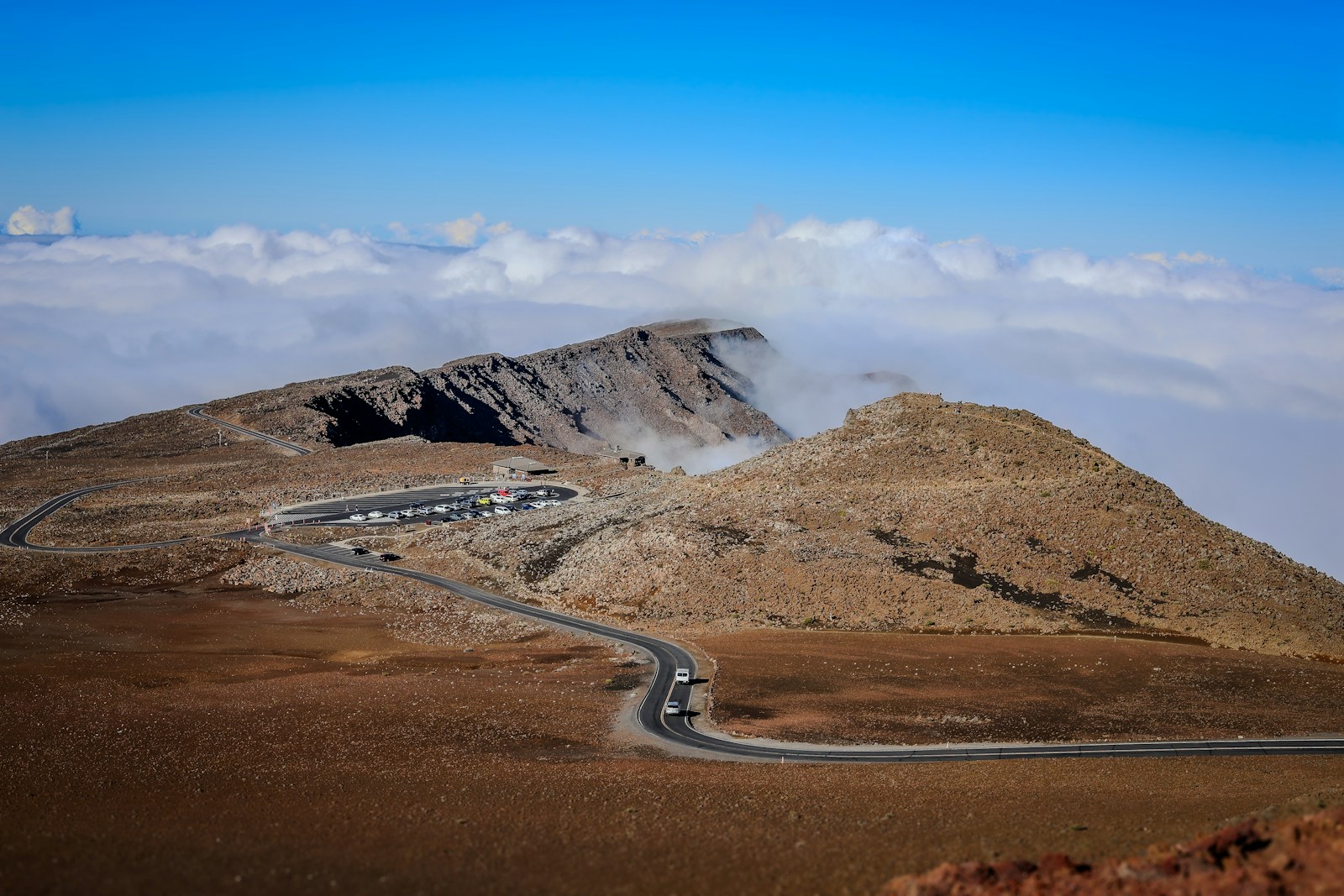
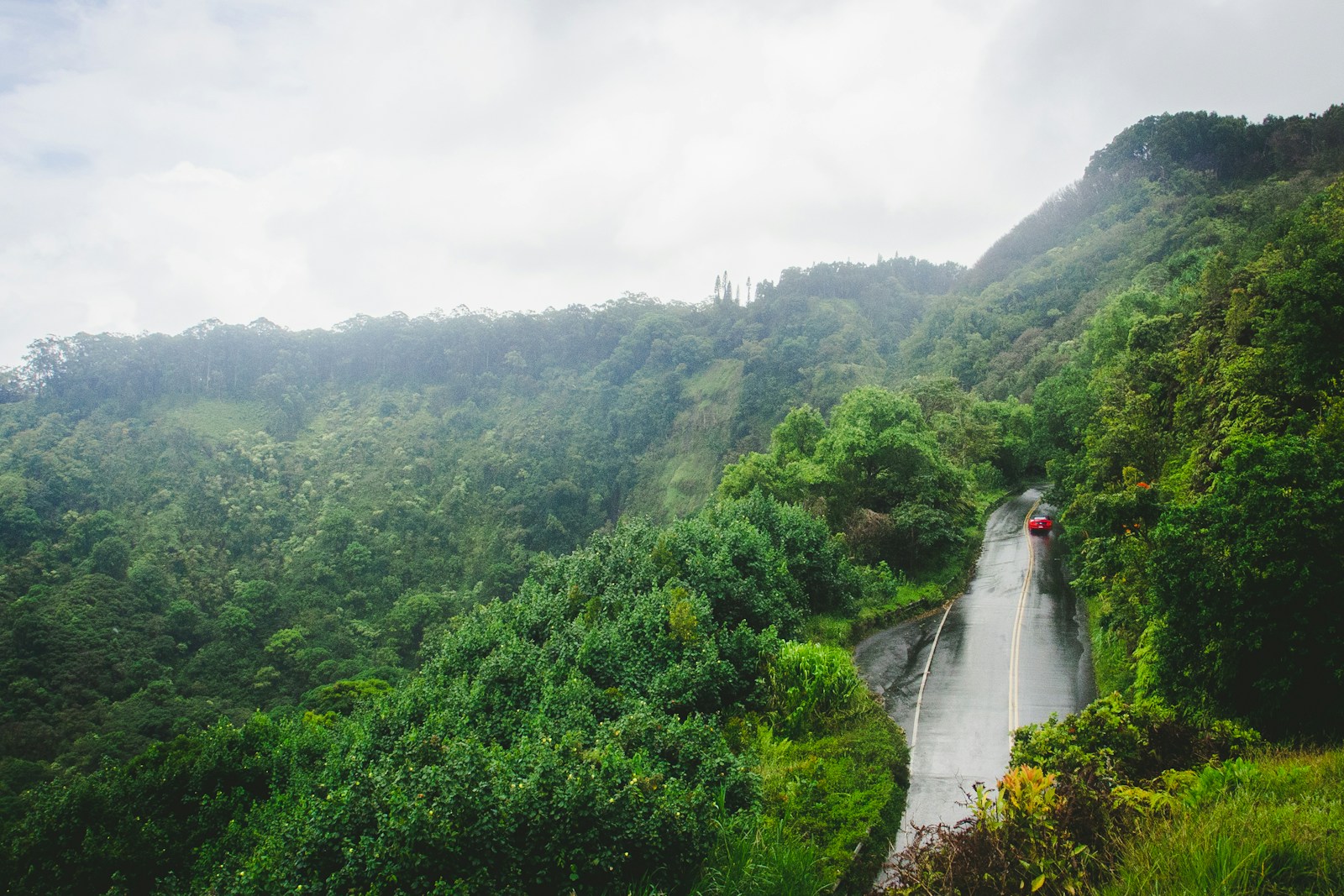
For most visitors, the best rental car for the Road to Hana is a comfortable midsize SUV or compact SUV, not the biggest vehicle you can find. You want good visibility, calm handling on narrow curves, enough enclosed cargo room for bags and snacks, and a size that is still easy to park in tight legal pullouts. A regular sedan or economy car can work for two lighter-packers on the standard Hana Highway, while a minivan is better for families that need sliding doors and child-seat room.
Can you drive the Road to Hana in a rental car? Usually yes on the standard north-side route when your rental agreement allows it and conditions are open, but you should confirm your contract before going. The backside route beyond Hana and Kipahulu is a separate policy and road-condition question. If in doubt, turn around and return the same way.
Start with the route you actually plan to drive
“Road to Hana” can mean different things in a rental-car conversation. Most visitors mean the standard route from Kahului or Paia along Hana Highway, through Haiku, Keanae, Nahiku, and into Hana. That is the route most Road to Hana day trips are built around.
The vehicle choice changes when someone means the full loop, the backside, Piilani Highway, or continuing past Hana toward Kipahulu and around the south side of Haleakala. That section is more remote, can be rougher, may be affected by storms or local-traffic restrictions, and may be excluded by rental agreements.
Before you choose a vehicle, decide which of these trips you are taking:
- Standard Road to Hana out-and-back: Drive the north-side Hana Highway to selected stops, then return the same way. This is the simplest rental-car plan.
- Hana overnight: Drive to Hana, stay the night, and return with more time. Comfort and luggage security matter more than speed.
- Hana plus Kipahulu: Continue beyond Hana toward Haleakala National Park’s Kipahulu area, then usually return the same way after checking current conditions.
- Full backside loop: Continue around the south side through the remote backside. Treat this as a separate rental-policy question, not a normal Road to Hana drive.
If you are still comparing the whole Maui trip, start with the Maui rental car fleet and choose around the longest driving day, not just the first airport transfer.
Best vehicle choice by group
The Road to Hana is not off-roading. The hard part is time, curves, bridges, wet pavement, legal parking, and driver attention. A taller vehicle can be helpful, but an oversized vehicle can make the day more stressful in narrow areas.
Use this as a practical starting point:
- One or two travelers packing light: An economy, compact, or midsize car can be enough if you are staying on the standard route and keeping the day simple. It will be easier to park and usually easier on the budget. Compare Maui economy car rentals if price and simple parking are the main priorities.
- Two to four travelers with beach bags, food, and camera gear: A compact SUV or midsize SUV is usually the best fit. You get better seating height, more cargo flexibility, and a calmer cabin for a long day without moving into a bulky vehicle.
- Families with kids: A midsize SUV works for many families, but a minivan can be better when child seats, snacks, extra clothes, and tired passengers are part of the day. Sliding doors help in tight lots and the cabin is easier to organize.
- Five to seven adults: Consider whether one larger vehicle is really better than two smaller vehicles. A minivan or van can keep the group together, but every stop takes longer and parking options can feel tighter.
- Travelers choosing a Jeep: A Jeep can be fun for scenic Maui drives, but choose it because you want that driving feel, not because the Road to Hana requires it. Cargo room, rain, roof rules, and rental restrictions still matter.
For most Road to Hana visitors asking for the “best car,” the answer is simple: choose a Maui SUV rental if your group has luggage, kids, or a full-day plan; choose a smaller car if there are only one or two of you and you care most about parking and cost.
What makes a car good for Hana
The best Road to Hana rental car is the one that keeps the driver relaxed and the passengers organized. Horsepower and rugged styling matter less than comfort and predictability.
Look for these practical traits:
- Comfortable front seats: The driver will be focused for hours. A seat that feels fine on a 20-minute drive can feel different after a full day of curves.
- Good visibility: Higher seating can help the driver read curves, bridges, and pullouts earlier.
- Enclosed cargo space: Bags, snacks, cameras, towels, and a change of clothes should be out of the way and not stacked around passengers.
- Easy parking size: Many legal stops have limited space. A moderate-size vehicle is often easier than a large SUV.
- Working air conditioning: You may move between humid rainforest, sunny coast, rain, and slow traffic.
- Enough range for the day: Start with a full tank and do not assume the next fuel stop will be convenient.
If your group is split between “fun vehicle” and “easy day,” choose the easy day. Hana is beautiful, but it is still a long driving day on a road local residents use for everyday life.
Can you drive the Road to Hana in a rental car?
You can often drive the standard Road to Hana in a rental car, but the real answer is in your rental agreement and current road conditions. Rental companies may distinguish between paved public roads, unpaved roads, restricted roads, remote routes, and areas where roadside assistance may not apply.
Do this before the drive:
- Read your rental agreement for road restrictions, unpaved-road language, towing limits, and insurance exclusions.
- Ask the rental team directly if you are unsure about Hana, Kipahulu, Piilani Highway, or any route past Hana town.
- Check the current Maui lane closures from HDOT before the day starts.
- Avoid treating map-app routing as permission. A route can appear on a map and still be a poor fit for your rental agreement, weather, or road conditions.
Aloha Rent A Car is based at 181 Dairy Rd in Kahului, close to Kahului Airport, and has served Maui since 1975. If Road to Hana is one of your main trip days, ask route and vehicle-fit questions before you book or at pickup. The team can help you choose between smaller cars, SUVs, Jeeps, minivans, and vans based on your group and luggage.
The backside route is where visitors get into trouble
The standard Road to Hana and the backside route should not be treated as the same decision. The backside generally refers to continuing beyond Hana and Kipahulu around the remote south side of Maui instead of turning back on Hana Highway.
The reasons to be cautious are practical:
- Road conditions can change after rain, flooding, rockfall, or storm damage.
- Parts of the route are remote, narrow, exposed, or rougher than visitors expect.
- Cell service and support can be limited.
- Rental agreements may prohibit or limit travel on certain remote or unpaved sections.
- County notices may restrict sections to local traffic after weather or road impacts.
For a rental-car day, the conservative plan is to drive the standard Hana Highway, visit the stops you can legally and safely park for, then turn around with enough daylight. If you specifically want Kipahulu or the full loop, confirm current road status and rental-policy permission first. A more expensive vehicle does not solve a contract exclusion or a road closure.
Fuel, food, and timing matter more than vehicle class
The best car will not fix a late start, a low fuel tank, or an overpacked schedule. Plan the drive like a full-day route, not a quick scenic detour.
Use this timing checklist:
- Start with a full tank from Kahului or Paia.
- Put snacks, water, rain layers, towels, and motion-sickness supplies where passengers can reach them.
- Pick a few priority stops instead of trying to hit every pin on a map.
- Build in time for slow traffic, one-lane bridges, bathroom stops, and parking that is already full.
- Turn around earlier than you think if the driver is tired, weather worsens, or daylight is getting tight.
Gas is easier to plan before you commit to the road. Kahului and Paia are the practical places to fuel before the drive. Hana has limited services compared with Central Maui, and hours or availability can change. Do not start the Road to Hana hoping to solve fuel later.
Parking rules should shape your day
Parking is one of the main reasons vehicle size matters. The Road to Hana has famous stops, but it also has narrow shoulders, private property, bridges, driveways, and places where stopping creates real safety problems.
HDOT has warned drivers about no-parking citations and a state highway surcharge on Hana Highway. The practical rule is simple: if there is no legal space, keep going. Do not block traffic, stop on a bridge, leave the vehicle protruding into the lane, or park in a residential driveway because a waterfall is nearby.
This is where a smaller or midsize vehicle can beat a large SUV. It is easier to fit fully inside a marked or obvious legal space. If your group needs a larger vehicle, accept that you may skip crowded stops rather than force the parking.
Waiʻānapanapa reservations change the plan
Waiʻānapanapa State Park is one of the most requested Road to Hana stops, but it is not a casual “see if there is parking” stop for non-residents. The official Hawaiʻi State Parks reservation site says parking and entry reservations must be purchased online, and people without a reservation may be turned away.
That affects your rental-car plan in three ways:
- You need a reservation window that matches your realistic drive pace.
- You need to arrive within the reservation rules, not whenever traffic happens to allow.
- You should not drive down Honokalani Road without a reservation hoping to check availability at the gate.
State Parks lists Waiʻānapanapa hours, entrance fees, and parking fees on its official park page. Check the current page before your trip because fees, windows, and park notices can change.
If Waiʻānapanapa is the anchor of your day, plan the whole route around that time slot. If you cannot get a reservation, choose other legal stops rather than building the day around a stop you may not enter.
SUV, Jeep, minivan, or economy car?
Here is the clean comparison for Road to Hana rental-car shoppers:
- Economy or midsize car: Best for one to three travelers, lighter bags, the standard out-and-back route, and easier parking. Watch out for lower seating, less cargo room, and a less comfortable ride if every seat is full.
- Compact or midsize SUV: Best for most couples, families, and small groups that want comfort and cargo room. Watch out for assuming SUV means every road is allowed; the rental agreement still controls where you can drive.
- Jeep: Best for travelers who want a more open scenic Maui drive and pack lightly. Watch out for cargo planning, rain, roof rules, and route restrictions.
- Minivan: Best for families with kids, child seats, coolers, snacks, and extra bags. Watch out for the larger footprint at crowded stops.
- Passenger van: Best for larger groups, retreats, or travelers with bulky gear. Watch out for parking and maneuvering at narrow pullouts.
If Road to Hana is your highest-priority day, a compact or midsize SUV is the safest default recommendation. If your highest priority is budget, an economy car can still be a good Road to Hana rental car when you keep the route standard and the packing light. If your highest priority is family comfort, compare Maui minivan rentals before trying to squeeze everyone into a smaller SUV.
When a tour may be smarter than driving
Some visitors should not drive the Road to Hana themselves. That is not a failure of vehicle choice. It is just a long, winding day where the driver does not get to look around the same way passengers do.
Consider a guided tour if:
- No one in the group wants to drive narrow roads for a full day.
- You are nervous about one-lane bridges, tight curves, rain, or local traffic.
- You want to avoid parking decisions and reservation timing.
- Your group wants to continue farther than your rental agreement clearly allows.
- You only have one full Maui day and want someone else to manage the route.
If you do drive yourself, keep the itinerary modest. The best Road to Hana day is usually not the one with the most stops. It is the one where the driver stays calm, the group has enough food and water, and everyone gets back safely before the day turns into a grind.
Book the car around your hardest day
For most visitors, the best rental car for the Road to Hana is a midsize or compact SUV with enough room for passengers, snacks, dry clothes, and a comfortable driver. A smaller car works for light travelers on the standard route. A minivan works for families. A Jeep is a scenic choice when the group packs realistically and understands the rules.
Before you reserve, decide whether you are doing the standard Hana Highway out-and-back, adding Waiʻānapanapa, continuing to Kipahulu, or asking about the backside route. Those are different planning problems.
To compare current vehicle options, check availability for your Maui dates. If your Road to Hana plan includes questions about luggage, route restrictions, pickup near OGG, or whether an SUV, Jeep, or minivan fits best, contact the Aloha Rent A Car team before you book.