
Most Maui visitors should rent a car if they want to leave the resort area, visit more than one beach, make grocery stops, drive to Haleakala or Upcountry, or control their own timing after landing at Kahului Airport. You can visit Maui without a rental car, but it works best for short, resort-centered trips with arranged airport transportation and guided tours.
The practical question is not just whether Maui has other transportation. It does. The question is whether your trip has enough moving parts that waiting for shuttles, taxis, rideshare, buses, or tour pickups will shape the vacation more than you want. If you already know you want flexible island days, start by comparing the Maui rental car fleet around your group size, luggage, and route plans.
Decide by itinerary, not by island size
Maui is not a place where every visitor needs the same answer. A rental car is usually worth it when your plans include several towns, early activity times, late dinners, groceries, beach gear, or kids. It is less necessary when the trip is intentionally simple.
Use this quick split:
- Rent a car if you are staying three or more nights, landing at OGG with checked bags, planning Kihei, Wailea, Kaanapali, Kapalua, Paia, Makawao, Upcountry, Haleakala, or Road to Hana days, or expecting to change plans based on weather and beach conditions.
- Consider skipping a car if you are staying one or two nights at a resort, eating mostly on property, booking a private airport transfer, and using guided tours that include pickup.
- Price it both ways if you only need a car for one or two exploration days. A full-trip rental may still be easier, but a shorter rental plus arranged transfers can work for some travelers.
The decision changes quickly once luggage and time enter the picture. A beach bag, stroller, cooler, snorkel gear, or a grocery stop can turn a simple ride into a more awkward transportation plan.
OGG arrival days favor having a plan
Most visitors arrive through Kahului Airport, commonly called OGG. The official Kahului Airport transportation page lists car, shuttle, taxi, and public transit access, so renting is not the only way off airport property. The tradeoff is control after a long travel day.
Think through the first two hours after landing:
- How many checked bags, carry-ons, strollers, golf bags, or beach items will your group have?
- Are you driving straight to Kihei, Wailea, Lahaina, Kaanapali, Kapalua, Paia, or Upcountry?
- Do you want to stop for groceries, snacks, child supplies, or beach gear before check-in?
- Will your arrival be late enough that waiting for another ride would feel stressful?
Aloha Rent A Car is based at 181 Dairy Rd in Kahului, close to the airport area, and has served Maui since 1975. If your arrival day includes luggage plus a resort drive, review Kahului Airport car rental options before you land so the first day is not built around last-minute transportation decisions.
Return day matters too. A car can make checkout-to-flight gaps easier because you are not tied to one shuttle pickup time. Still, keep valuables out of sight and plan where bags will be while you eat lunch, make a final stop, or return the vehicle.
When a no-car Maui trip actually works
A no-car Maui trip works best when the itinerary stays compact. For example, a couple spending two nights in Wailea, booking a round-trip airport transfer, eating at the resort, and taking one guided tour with pickup may not need a vehicle. The same can be true for a wedding guest, conference attendee, or traveler joining hosted activities where transportation is already arranged.
Public transit can help in limited cases. Maui County operates the Maui Bus fixed-route service, and the county notes that the Upcountry and Haiku Islander routes stop at Kahului Airport. Before relying on the bus for a visitor itinerary, check the current schedule, route maps, departure times, and luggage rules. A bus can be useful for a specific trip, but it is rarely the cleanest fit for beach hopping or a luggage-heavy arrival.
Taxis and rideshare can cover individual rides. They are useful for a dinner where no one wants to drive, a simple transfer, or a one-off errand. They are less convenient when the day has four stops, when you need child seats, when you are carrying beach gear, or when you are returning from a quieter area at a specific time.
The Maui days that usually tip the answer to yes
Some Maui plans are much easier with your own vehicle because the value is not only the point-to-point ride. It is the ability to leave early, stop briefly, wait out weather, carry gear, and change the order of the day.
Common examples include:
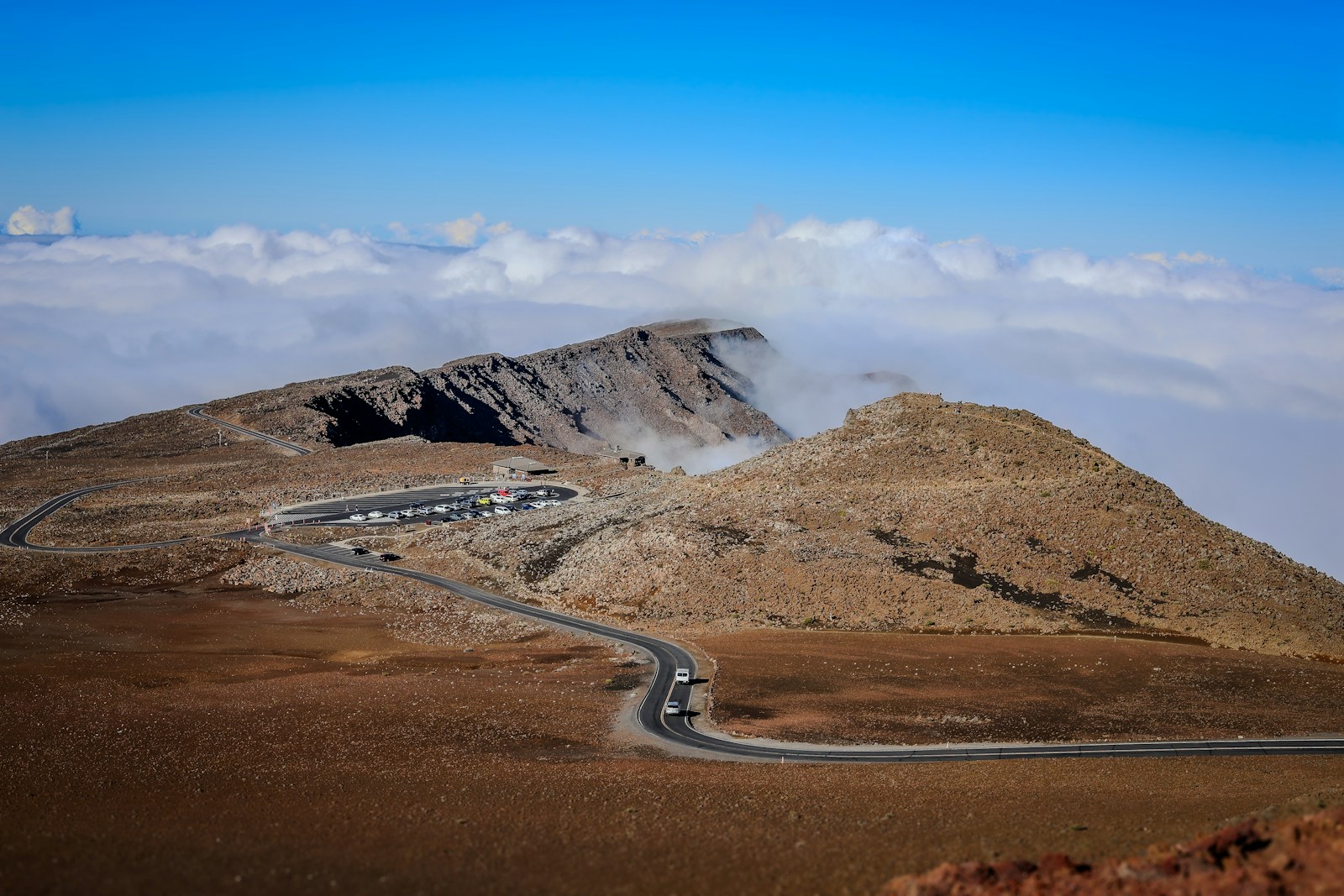
- Haleakala sunrise or summit visits. The National Park Service says sunrise entry requires an advance reservation. NPS also describes Haleakala roads as winding and sometimes steep, with remote conditions and fast-changing weather. If you drive yourself, plan fuel, warm clothing, reservation timing, and a rested driver.
- Road to Hana. This is a long, stop-heavy day where road conditions and access can change. The Hawaii Department of Transportation publishes state roadwork and lane closure updates, including Maui closures. Check current conditions, stay on legal rental routes, and ask the rental team before driving any route you are unsure about.
- West Maui and resort-area flexibility. Staying in Kaanapali, Kapalua, or Lahaina can still involve restaurant drives, grocery stops, beach changes, and trips back toward Kahului.
- Kihei and Wailea beach days. These areas have many nearby beaches and restaurants, but a car makes it easier to move when parking, wind, shade, or group energy changes.
- Paia, Makawao, and Upcountry stops. These are easier to enjoy when you are not stacking several rides or matching your day to a tour pickup window.
If the trip has only one of these driving days, compare a tour, shuttle, taxi, or rideshare with keeping a car for the full stay. Aloha Rent A Car has a five-day minimum and cannot fulfill a one-day rental. When several of these days are part of the itinerary, keeping a car for at least five days usually makes the vacation simpler.
Choose the vehicle around the hard days
Once you decide to rent, do not choose only by the lowest daily rate. Choose around the hardest loading day, usually arrival or departure, and the longest drive you expect to take.
- Economy or midsize car: Best for one to three lighter-packing travelers, condo stays, town parking, and everyday Kihei or Wailea driving. Start with Maui economy car rentals if budget and easy parking matter most.
- SUV: Best for families, full-size suitcases, groceries, beach gear, Haleakala plans, and longer drives where enclosed cargo space helps. Compare Maui SUV rentals if passengers and bags are both part of the decision.
- Jeep: Best when the open-air feel is part of the trip and the group is packing realistically. A Maui Jeep rental can be a fun scenic choice, but luggage planning still matters.
- Minivan or van: Best for larger families, child seats, wedding groups, retreats, and travelers with extra bags or gear. Review Maui minivan rentals or Maui van rentals when one roomy vehicle is better than coordinating two smaller cars.
If you are not sure which class fits, count people and bags before comparing rates. Four adults in a small car with four suitcases is usually a worse value than a larger vehicle that actually fits the trip.
A simple decision checklist
You probably want a rental car if you answer yes to three or more of these:
- Are you staying outside Kahului and arriving through OGG?
- Will you make a grocery or supply stop before check-in?
- Do you want to visit more than one beach or town without a fixed pickup time?
- Are you planning Haleakala, Upcountry, Paia, Road to Hana, Kaanapali, Kapalua, or Lahaina?
- Are you traveling with kids, older family members, mobility considerations, or a group that moves slowly?
- Are you carrying checked bags, strollers, golf clubs, coolers, snorkel gear, or beach chairs?
- Would waiting 20 to 45 minutes for a ride change the mood of the day?
You can probably skip a rental car if most of these are no, and your lodging, meals, activities, and transfers are already arranged in one area.
Questions visitors usually ask
Can I visit Maui without renting a car?
Yes. It works best for a resort-centered trip with arranged airport transportation, walkable meals, and guided tours. It becomes less convenient when you add beach hopping, groceries, early starts, late dinners, family logistics, or independent sightseeing.
Is a rental car worth it for Wailea or Kaanapali?
Usually, yes, unless you plan to stay mostly on property. Wailea and Kaanapali have resort amenities, but a car makes restaurants, groceries, other beaches, Upcountry, Paia, Lahaina, Kapalua, and airport timing easier.
Do I need a car for Haleakala?
You need transportation, but it does not have to be your own rental car. Some visitors use guided tours. If you drive yourself, check the sunrise reservation rules, weather, fuel, warm clothing, and route timing before you go.
What if I only want a car for part of the trip?
That can work. Compare the cost and convenience of a partial rental plus airport transfers against keeping one car for the whole stay. Shorter rentals are most practical when your exploration days are grouped together and your lodging area is easy without a car.
Make the call before you land
For most Maui visitors, a rental car is worth it because the island rewards flexibility. If your trip is resort-only and transportation is already arranged, you may be fine without one. If your plans include luggage, groceries, multiple towns, early starts, or any full-day exploring, renting a car will usually make the trip easier.
To choose the right vehicle, check availability for your Maui dates. If your group has luggage, route, pickup, or vehicle-fit questions, contact the Aloha Rent A Car team before you book.