Most visitors staying in Kihei should rent a car, and most Wailea visitors should strongly consider one unless the trip is intentionally resort-only. Kihei car rental makes grocery stops, beach hopping, casual restaurants, Makena, Haleakala, and airport timing much easier. Wailea car rental is less mandatory if you plan to stay on property, use resort transportation, and book guided tours, but it becomes useful as soon as you want cheaper meals, different beaches, early activities, or independent day trips.
The clean decision is this: if South Maui is just your resort base, you can price a no-car trip. If South Maui is your launch point for beaches, dinners, groceries, Haleakala, or Makena, compare the Maui rental car fleet before you land and choose around the days that have the most bags, passengers, and driving.
South Maui is easy with a car, but not tiny
Kihei and Wailea sit along Maui’s sunny south shore, but they feel different once you start planning transportation.
Kihei is spread along South Kihei Road, with condos, beach parks, restaurants, grocery stores, surf shops, and casual takeout in several clusters. North Kihei feels different from the Kamaole beach area, and both feel different from the Cove Park and Kalama Park stretch. Some stays are walkable for one beach and one restaurant row. Many are not walkable for the whole trip, especially when the group includes kids, beach chairs, coolers, groceries, or older relatives.
Wailea is more resort-centered. A few hotels, beaches, restaurants, and shops are connected by resort roads and coastal paths, so a short stay can work without a car. The tradeoff is that your choices narrow quickly. Leaving Wailea for Kihei dinners near the Azeka area, casual food around South Kihei Road, Costco or Target in Kahului, Makena beaches, Haleakala, or airport-day errands is much easier when you have your own vehicle.
That is why “do you need a car in Wailea?” has a different answer than “do you need a car in Kihei?” In Wailea, you can skip a car if the resort is the trip. In Kihei, most visitors use a car because the area is practical, casual, and spread out.
Plan the OGG arrival before the resort drive
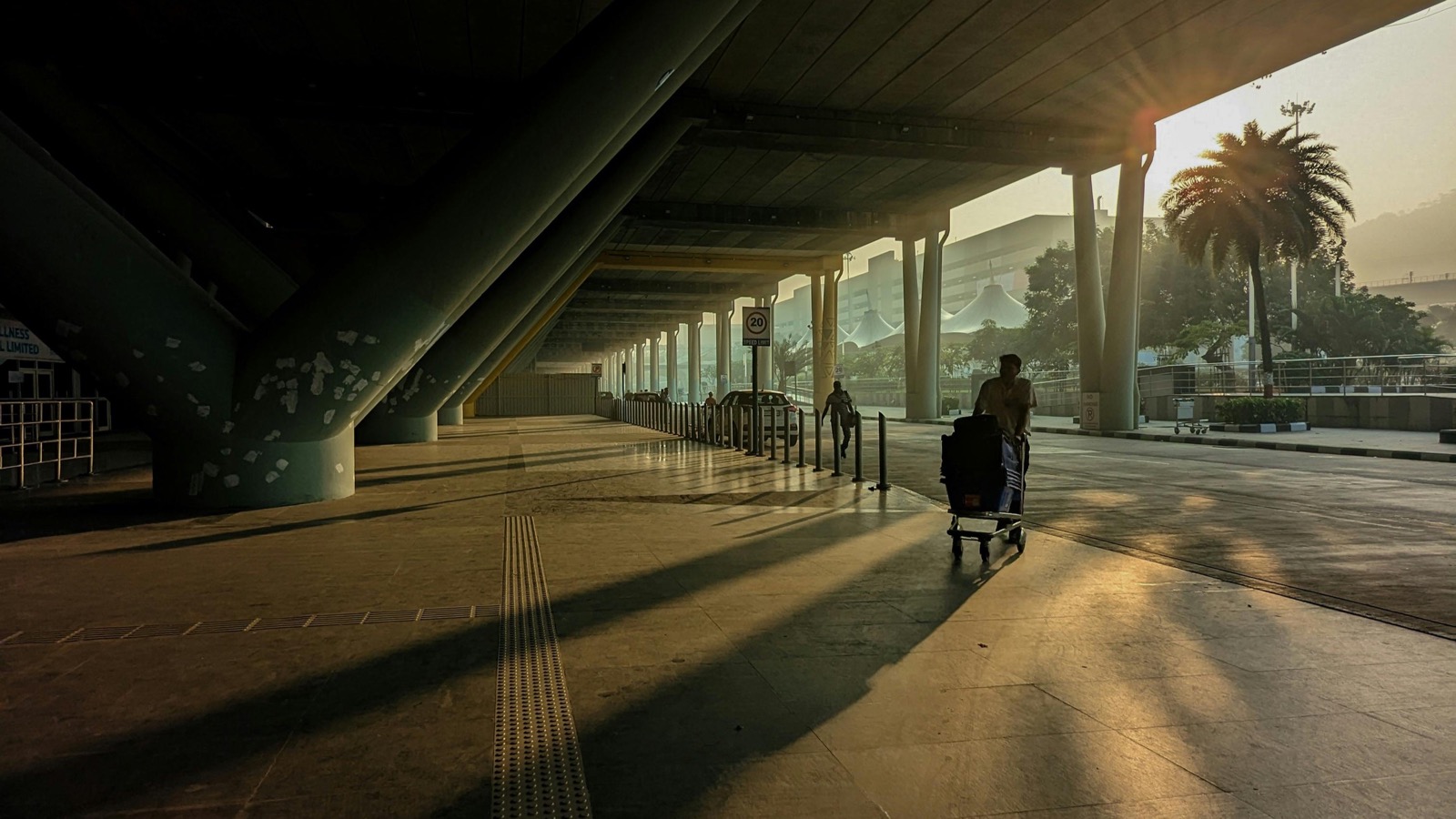
Most South Maui trips start at Kahului Airport, OGG. The official Kahului Airport car-rental page lists on-airport rental companies, while local rental companies may have separate pickup instructions. Do not follow the airport rental tram by habit unless your specific reservation tells you to.
Aloha Rent A Car is at 181 Dairy Rd in Kahului, near the airport area, and has served Maui since 1975. If you are landing with bags and heading to South Maui, review Kahului Airport car rental options before the flight so pickup is not a last-minute decision after baggage claim.
For Kihei and Wailea arrivals, build the first hour around the real sequence:
- Get everyone off the plane and through baggage claim.
- Pick up the rental according to your reservation instructions.
- Decide whether to shop in Kahului before leaving Central Maui.
- Drive to Kihei or Wailea with enough time for check-in, parking, and food.
Kahului grocery stops are useful because you are already near bigger stores before the resort drive. They are not always worth it if everyone is tired and the luggage fills the cargo area. A Kihei condo stay near Kamaole I, II, or III may justify a bigger first shop because breakfast, snacks, and beach drinks will get used right away. A Wailea resort stay may only need water, sunscreen, and a few room snacks before check-in.
If you cannot keep bags hidden or have one adult stay with the vehicle, make the first stop short and save the full shop for the next morning.
Grocery stops change the vehicle decision
South Maui has grocery options, but many visitors still want a Kahului stop after landing for bulk groceries, diapers, sunscreen, snacks, beach supplies, or breakfast food. Others do better with a smaller Kihei top-off after check-in, especially if they are staying near the Azeka Shopping Center area, Piilani Highway shopping areas, or the Kamaole beach parks. That one decision can change the right rental car.
An economy car can work beautifully for two light packers driving to a Kihei condo. It gets into smaller parking spaces, costs less to reserve in many cases, and is easy for everyday South Maui errands. It becomes less comfortable when four people, four suitcases, a stroller, and grocery bags all need to fit before check-in.
Before choosing the lowest rate, count the arrival load:
- People in the car.
- Full-size suitcases.
- Carry-ons and backpacks.
- Child seats, strollers, golf clubs, or beach gear.
- First-day grocery bags.
If the trunk is full before groceries, look at a larger class. A compact or midsize SUV is often the easiest upgrade for families, four adults, or anyone planning Haleakala, Makena, and several beach days. Start with Maui SUV rentals when cargo room and comfort matter more than the smallest footprint.
Beach parking in Kihei and Wailea
Kihei beach parking is usually more flexible than Wailea resort parking, but it is still something to plan around. The County of Maui facility pages list details such as Kamaole Beach Park I having free admission and parking areas, while Kamaole Beach Park II is listed with street parking only. The county’s Park Maui program also notes paid parking zones in South Maui, so visitors should check current signs, meters, and posted rules instead of assuming every lot is free.
The practical rule is simple: arrive earlier for popular beach windows, use marked spaces, and do not treat a narrow shoulder or driveway as overflow parking. If you are moving between Kamaole III for a family beach morning, Cove Park for surf lessons, and Kalama Park for a casual food stop, a smaller car is easier. If you are loading a cooler, chairs, snorkel bags, and a stroller, the parking convenience may not outweigh the need for cargo room.
For daily beach use:
- Kihei beach parks: Easier for quick moves between Kamaole I, II, III, Kalama Park, Cove Park, and nearby food stops, but some lots are small or street-based.
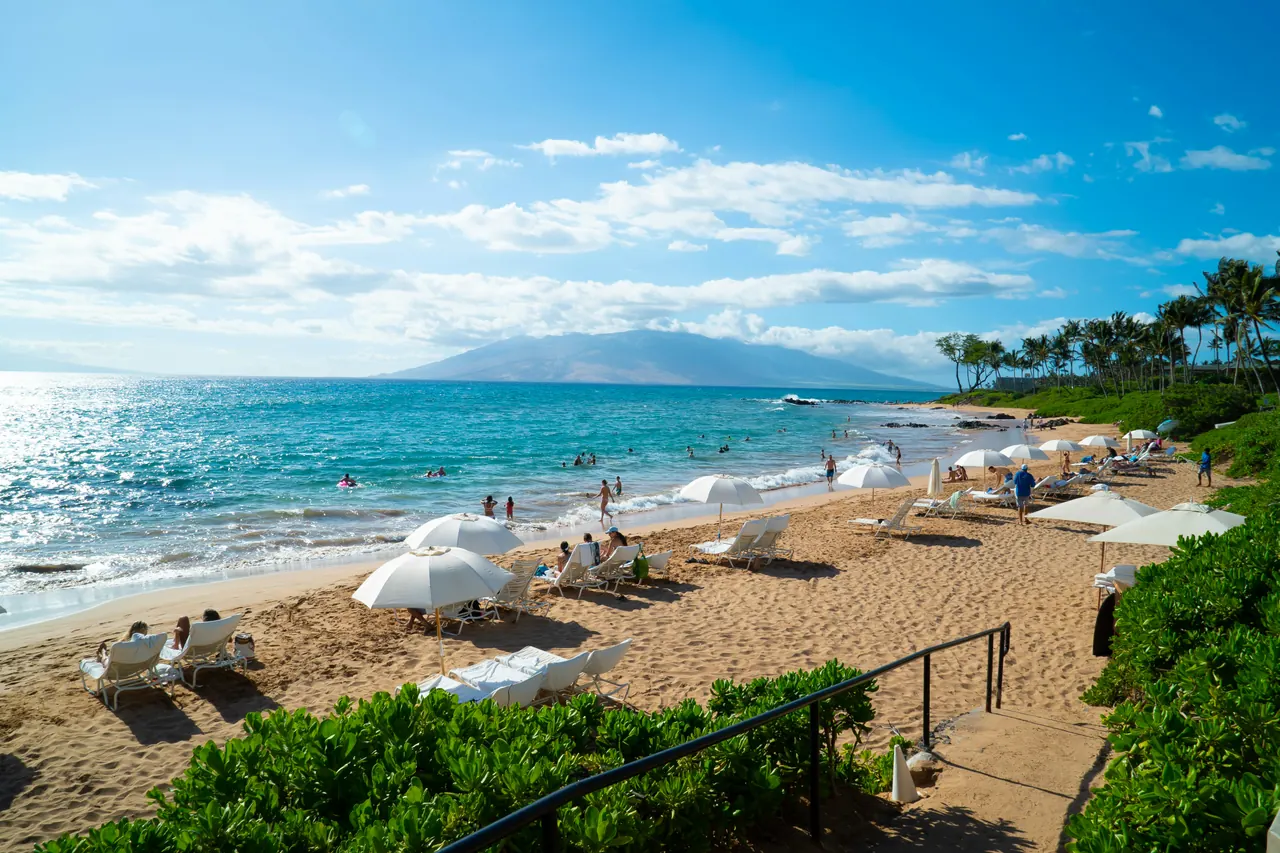
- Wailea beaches: Better for resort guests and planned beach mornings. Public access exists around places such as Ulua-Mokapu and Wailea Beach, but parking can be limited around popular beach access points.
- Makena beaches: More of a planned outing than a casual walk from Wailea. Big Beach, Makena Landing, and nearby south-shore stops work better when you go earlier, bring water, and check current parking and fee rules.
The county lists Ulua-Mokapu Beach Parks with parking, restrooms, showers, and no lifeguard. That is useful for planning, but it also means the lot can be in demand. A smaller car is easier in tight lots, while an SUV is better when your group is carrying chairs, umbrellas, towels, snorkel gear, and a cooler.
Restaurants: Wailea polish, Kihei flexibility
One reason a Kihei or Wailea car rental is worth it is dinner flexibility. Wailea has polished resort restaurants and The Shops at Wailea, but it can be expensive or repetitive if every meal is within the resort zone. Kihei gives you more casual choices, takeout, breakfast spots, food trucks, and grocery-backed condo meals, especially around the Azeka area, Kihei Kalama Village area, and the restaurant clusters near the Kamaole beaches.
Without a car, your dinner plan depends on walking distance, hotel transportation, rideshare availability, taxis, or staying on property. That can be fine for a short Wailea trip. It is less convenient when you want a sunset dinner in Kihei one night, a casual breakfast near South Kihei Road the next morning, and a grocery run before a beach day at Ulua, Keawakapu, or Kamaole III.
With a car, choose lodging parking carefully. Resort parking fees and condo parking rules can change the economics of renting. A “cheap” rental is not the full cost if nightly parking is high, and a no-car plan is not automatically cheaper if several rideshare trips, airport transfers, and tours replace the rental.
For a Wailea stay, price three options:
- A full-trip rental car plus hotel or condo parking.
- Airport transfers plus rideshare/taxi for dinners and errands.
- A shorter rental for Makena, Haleakala, groceries, and one or two exploring days.
For Kihei, the full-trip rental usually wins on convenience because daily errands and restaurants are more spread out.
Makena is close, but it still favors a car
Makena is one of the strongest reasons to rent a car in Wailea or Kihei. It is south of Wailea, close enough for a morning beach plan, but not the kind of place most visitors want to reach with bags, towels, water, and sun gear through a chain of rides. From a Wailea resort, the difference between “we can go for two hours before lunch” and “we need to arrange every ride” is often the difference between having a car and not having one.
The Hawaii Division of State Parks says Makena State Park includes Big Beach and Pu’u Olai, with a large wildland beach setting. DLNR’s Makena parking-fee notice says non-resident vehicles pay to park at Makena State Park, while Hawaii residents with valid Hawaii ID are free. Check current state signage and rules before you assume the fee, payment method, or access details.
Makena also changes the vehicle choice:
- An economy car is enough for two people with towels and a small bag.
- An SUV is better for families, shade gear, coolers, and multiple beach stops.
- A minivan can make sense for larger families staying in a Kihei condo.
You do not need a rugged vehicle for normal paved-road access to South Maui beaches. You need enough space, legal parking patience, and a plan for heat, sun, water, and valuables.
Haleakala from Kihei or Wailea
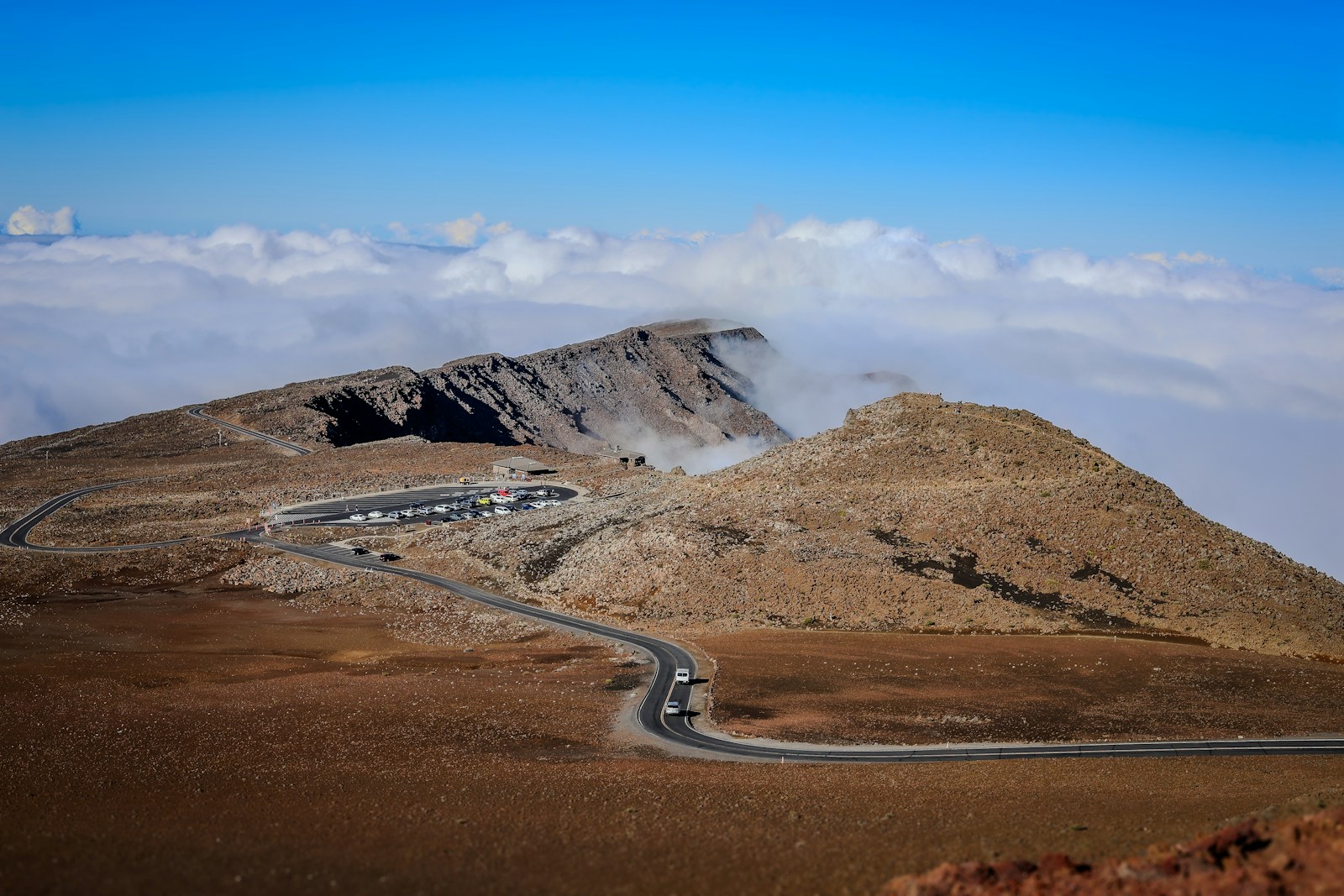
Haleakala is doable from South Maui, but it is not a casual extension of a beach day. The drive from Kihei or Wailea starts near sea level, crosses Central Maui or Upcountry, and climbs into a colder, darker, higher-elevation environment. It also changes the night before: a Wailea dinner that ends late, a long walk back through resort parking, or a packed car that still needs fuel can make a 3 a.m. departure harder than it looked on the itinerary.
For sunrise, the National Park Service says Haleakala sunrise requires an advance reservation. NPS also notes that the summit area can be wet, windy, and below freezing, that no food, clothing, or gas is sold in the park, and that the mountain road does not have streetlights or guard rails.
For a South Maui rental car decision, that means:
- Fill the tank before the climb.
- Pack warm layers even if Kihei or Wailea is hot.
- Keep the driver rested.
- Choose a vehicle that fits passengers, jackets, water, snacks, and camera gear.
- Consider a guided tour if no one wants to drive mountain roads in the dark.
An economy car can handle the standard paved Haleakala drive for light travelers, but many families prefer an SUV or minivan for comfort on the early start and tired return. If Haleakala is a priority day, read the full Haleakala sunrise rental car guide before choosing only by price.
Economy car vs SUV for Kihei and Wailea
For South Maui, economy versus SUV is less about road difficulty and more about space, comfort, and parking.
Choose an economy or midsize car when:
- You have one to three people.
- You are packing light.
- You are staying in Kihei or Wailea and mostly doing beaches, restaurants, and grocery stops.
- Easy parking and a lower rental cost matter most.
- You are not carrying bulky child gear, golf bags, or large coolers.
Start with Maui economy car rentals if your trip is simple and parking convenience matters.
Choose an SUV when:
- You have four or more people, or several full-size suitcases.
- You want enclosed cargo room for groceries and beach gear.
- You are planning Haleakala, Makena, Upcountry, or longer island days.
- You have kids, older relatives, or passengers who need easier loading.
- Comfort matters more than squeezing into the smallest possible space.
For most Kihei condo stays with two adults, an economy car is enough. For a couple staying near the Kamaole beaches, the smaller footprint may be more useful than extra height. For many Wailea family trips, an SUV is the safer default because the day often includes resort parking, beach bags, Makena, Kihei dinners, and a Kahului supply run. For larger groups, look at Maui minivan rentals before forcing everyone and every suitcase into a smaller SUV.
When you can skip a car in Wailea
You can skip a car in Wailea when the plan is narrow and deliberate. A no-car Wailea trip works best when you are staying at a resort, eating mostly on property, using arranged airport transfers, booking tours with pickup, and treating beach time as the main activity.
It becomes weaker when any of these are true:
- You want Kihei restaurants or lower-cost meals.
- You need groceries beyond a small resort-area errand.
- You want Makena, Haleakala, Upcountry, Paia, or multiple beaches.
- You are traveling with kids and gear.
- You dislike waiting for rides or matching your day to pickup windows.
If you are undecided, the broader guide on whether you need a rental car in Maui can help you compare a resort-only plan against a full-island trip.
South Maui rental car checklist
Before you reserve, answer these questions:
- Are you staying in Kihei, central Wailea, or farther south near Makena?
- Does your lodging charge for parking?
- Will you stop for groceries in Kahului after landing?
- How many suitcases and beach items need to fit on arrival day?
- Are you visiting Makena, Haleakala, Upcountry, or Paia?
- Will you want casual Kihei restaurants from a Wailea resort?
- Is easy parking more important than extra cargo room?
For most Kihei visitors, the answer is a rental car for the whole trip. For Wailea, rent if you want freedom beyond the resort; skip or shorten the rental only when the resort is the itinerary.
To compare vehicle classes for South Maui, check availability for your Maui dates. If you are choosing between an economy car, SUV, minivan, or a no-car Wailea plan, contact the Aloha Rent A Car team before you book so the vehicle matches your arrival day, parking, and day-trip plans.