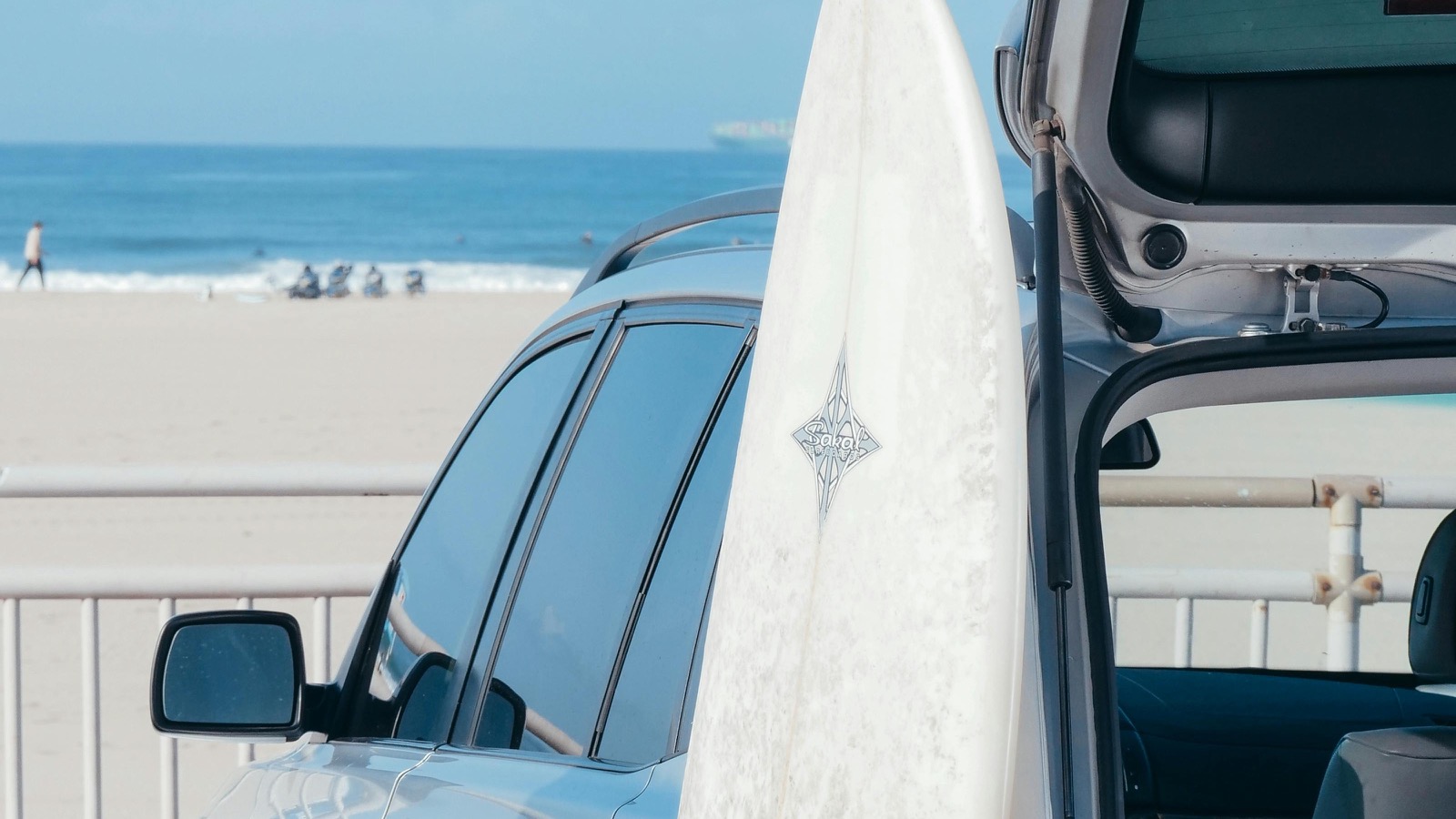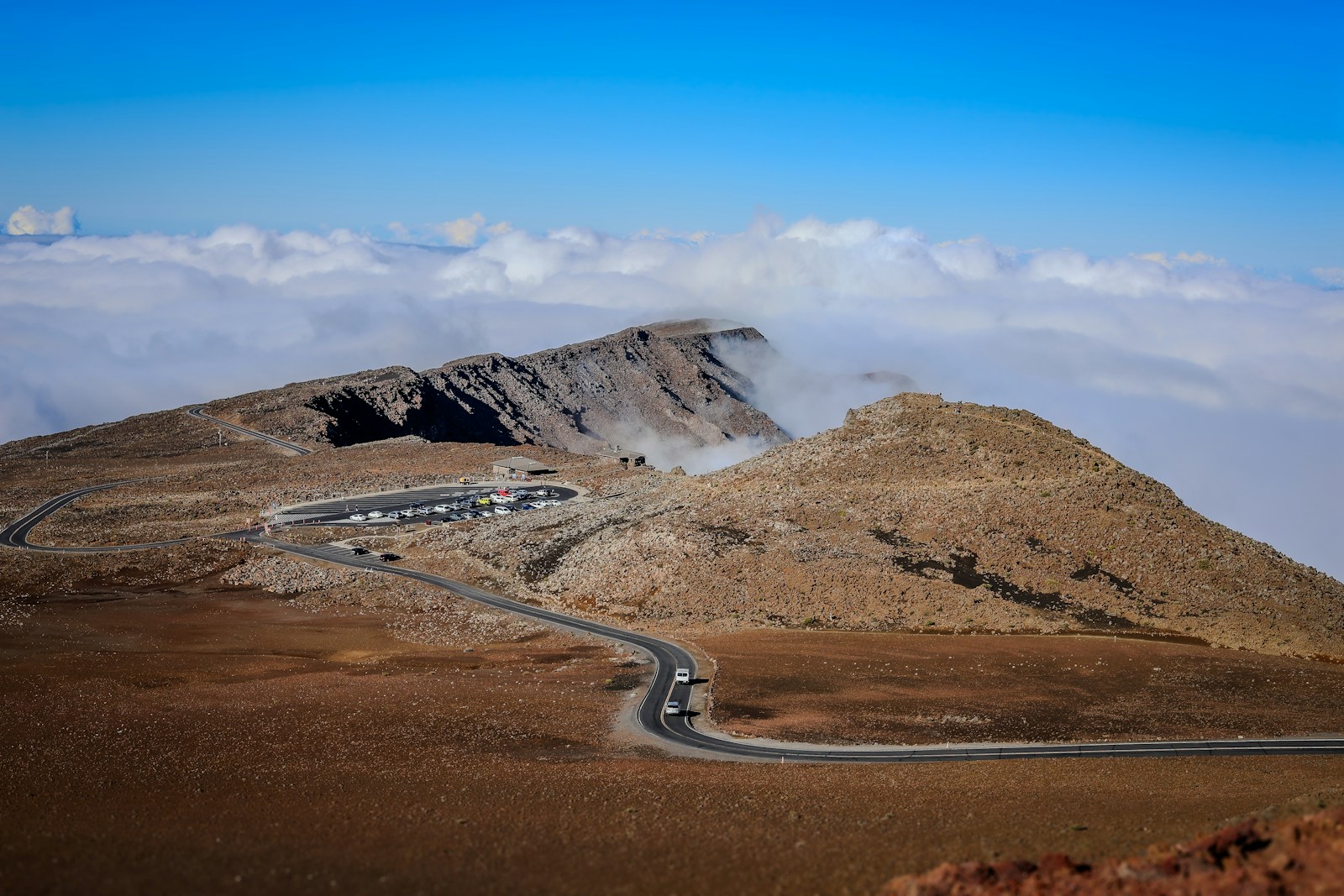
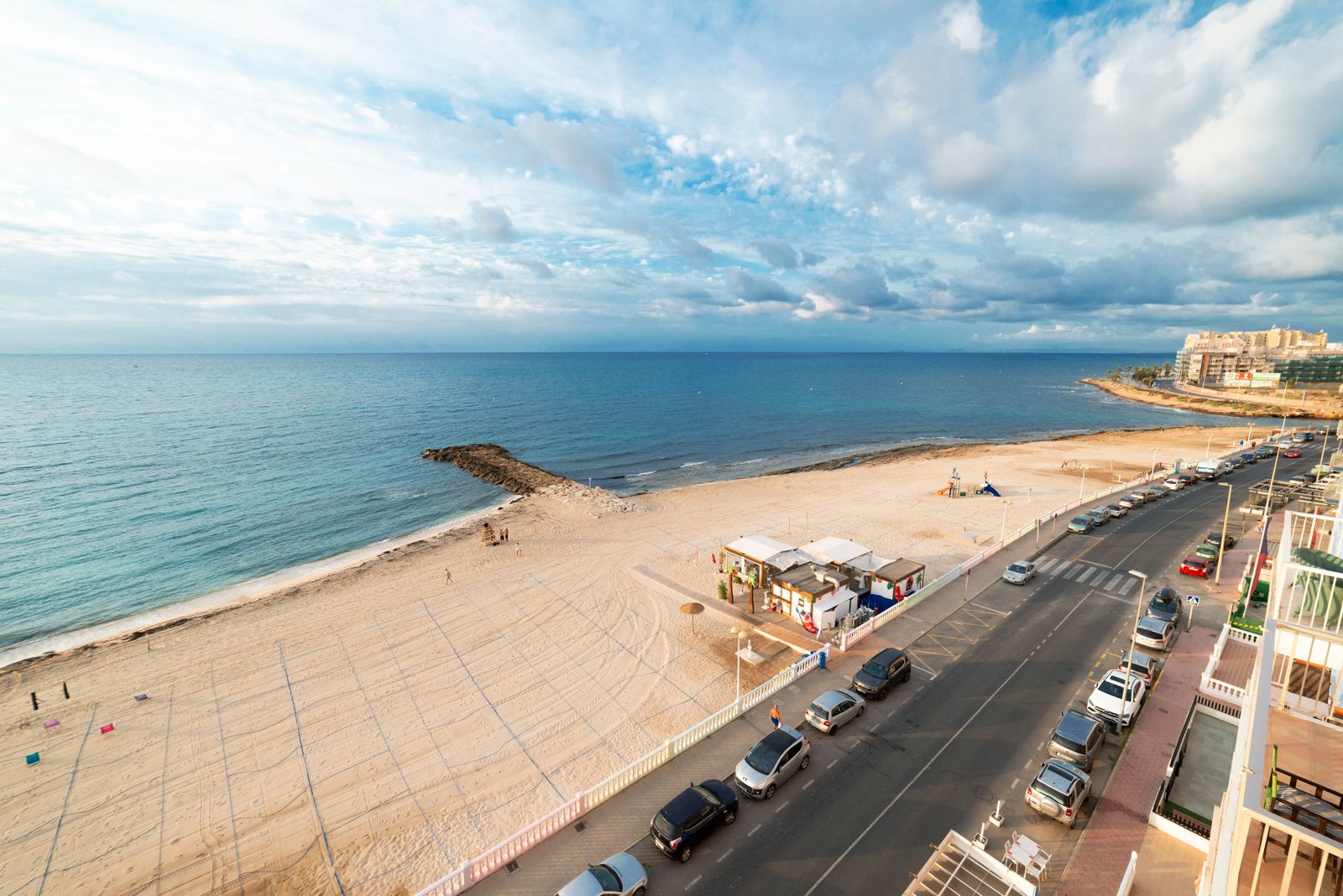
For South Maui beach days, visitors should now plan Kamaole parking around Park Maui, not old “free lot” advice. Park Maui lists non-resident parking for Kamaole Beach Parks I, II, and III at $10 per day, with weekly and monthly passes available through the mobile app. It also lists Hawaii resident-only parking before 10 a.m. on weekends and County-observed holidays at designated Kamaole paved lots. Kihei is still one of the easiest beach areas for rental cars, but the best plan is to choose the smallest vehicle that fits your group, arrive early, and check the posted signs, app, or pay station before leaving the car.
This guide focuses on Kamaole, Kihei, Wailea, and Makena because those are the South Maui beach parking decisions that most rental-car visitors feel first. If beach days are a major part of your trip, compare the Maui rental car fleet around parking and cargo room before you reserve.
What Park Maui changes at Kamaole beaches
Park Maui is the County of Maui parking program for busy beach, town, and street parking areas. For visitors, the practical change is that Kamaole beach parking is no longer something to assume is free just because an older guide, map review, or vacation-rental host said it was.
As of this update, the official Park Maui rates page lists the following for Kamaole Beach Parks I, II, and III in Kihei:
- Hawaii residents: Free parking with a valid Hawaii driver’s license.
- Part-time residents and non-residents: $10 flat daily parking, or a weekly or monthly pass.
- Resident priority period: Hawaii resident parking only before 10 a.m. on weekends and County-observed holidays.
- No county beach entry fee: Park Maui’s FAQ says the County of Maui does not charge a beach entry fee in addition to parking.
Park Maui’s beaches page adds an important detail for visitors with rental cars: weekly and monthly passes are only available in the Park Maui mobile app, while daily parking can be handled by pay station or app. The same page says the pass works within a specific region, such as South Maui, so do not assume one purchase covers every island parking situation.
The safest rental-car habit is simple: read the sign where you park, match your license plate carefully in the app or pay station, and keep screenshots or receipts until you leave.
Kamaole I, II, and III: where a rental car fits best
The Kamaole beaches sit along South Kihei Road, but they do not park the same way. Vehicle size matters more here than it looks on a map.
Kamaole Beach Park I is convenient but compact. Park Maui lists 18 regular parking spaces, 4 ADA spaces, 4 reserved lifeguard spaces, and additional parking across the street. If you are driving a large SUV, minivan, or passenger van, this is where arriving early makes the biggest difference.
Kamaole Beach Park II is the trickiest rental-car stop because parking is more street-based and turnover depends on the time of day. A compact car, economy car, or midsize car is much easier here than a long vehicle. If your group has a stroller, cooler, snorkel gear, and several towels, consider whether Kamaole III will be less stressful.
Kamaole Beach Park III is usually the most forgiving Kamaole option for families. Park Maui lists 84 parking spaces, plus restrooms, showers, picnic tables, grills, and ADA-accessible features. It is still popular, but it gives you more room to unload once instead of circling several smaller stops.
For a rental car, use this Kamaole rule:
- One or two light packers: Economy, compact, or midsize car.
- Couple or small family with beach gear: Compact or midsize SUV.
- Family with kids, stroller, cooler, and grandparents: SUV or minivan, with Kamaole III as the easier target.
- Large group: Passenger van only if you truly need one vehicle; otherwise, two smaller cars may be easier to park.
If you are staying across the street from the Kamaole beaches, walking may beat moving the car at all. Save the rental car for groceries, Wailea dinners, Makena mornings, Haleakala, or airport timing.
Weekend and holiday mornings need a different plan
The rule that catches visitors is not only the fee. It is the morning resident-priority period.
Park Maui lists resident-only parking before 10 a.m. on weekends and County-observed holidays at designated Kamaole beach parking areas. That means a non-resident visitor should not plan a 7:30 a.m. weekend rental-car arrival at a restricted Kamaole paved lot and expect to wait it out in the stall.
Better options:
- Go later in the morning after the resident-only period, then pay correctly if visitor parking is available.
- Walk from nearby Kihei lodging instead of driving.
- Choose a non-restricted legal parking area only if signs clearly allow it.
- Pick a different beach plan for Saturday, Sunday, or a County holiday.
- Ask your lodging host where guests are allowed to park, but still follow the posted public signs.
Do not turn the resident-priority rule into a shoulder-parking gamble. If the legal lot is not available, move on. Blocking a driveway, parking in a residential area where signs prohibit it, or copying other badly parked cars can turn a beach morning into a citation or tow.
Kihei beach parking beyond Kamaole
Kihei is still one of the best South Maui bases for visitors who want a rental car. The area has condos, casual food, grocery options, surf lessons, beach parks, and short drives to Wailea and Makena. The difference now is that the Kamaole lots deserve a quick rules check before every beach day.
If you are choosing a vehicle mostly for Kihei, do not overbuy. A smaller car makes South Kihei Road stops, street parking, condo lots, and restaurant parking easier. An SUV becomes worth it when your day includes Kahului groceries, multiple passengers, beach chairs, snorkel gear, or longer drives.
For most Kihei trips:
- Choose an economy or midsize car when parking simplicity and price matter most.
- Choose an SUV when luggage, groceries, and enclosed beach-gear space matter more.
- Choose a minivan when child seats, grandparents, and a full beach kit are part of most days.
If you are still comparing South Maui as a base, the Kihei and Wailea rental car guide covers groceries, restaurants, Makena, Haleakala, and vehicle size in more detail.
Wailea parking is public access, small lots, and patience
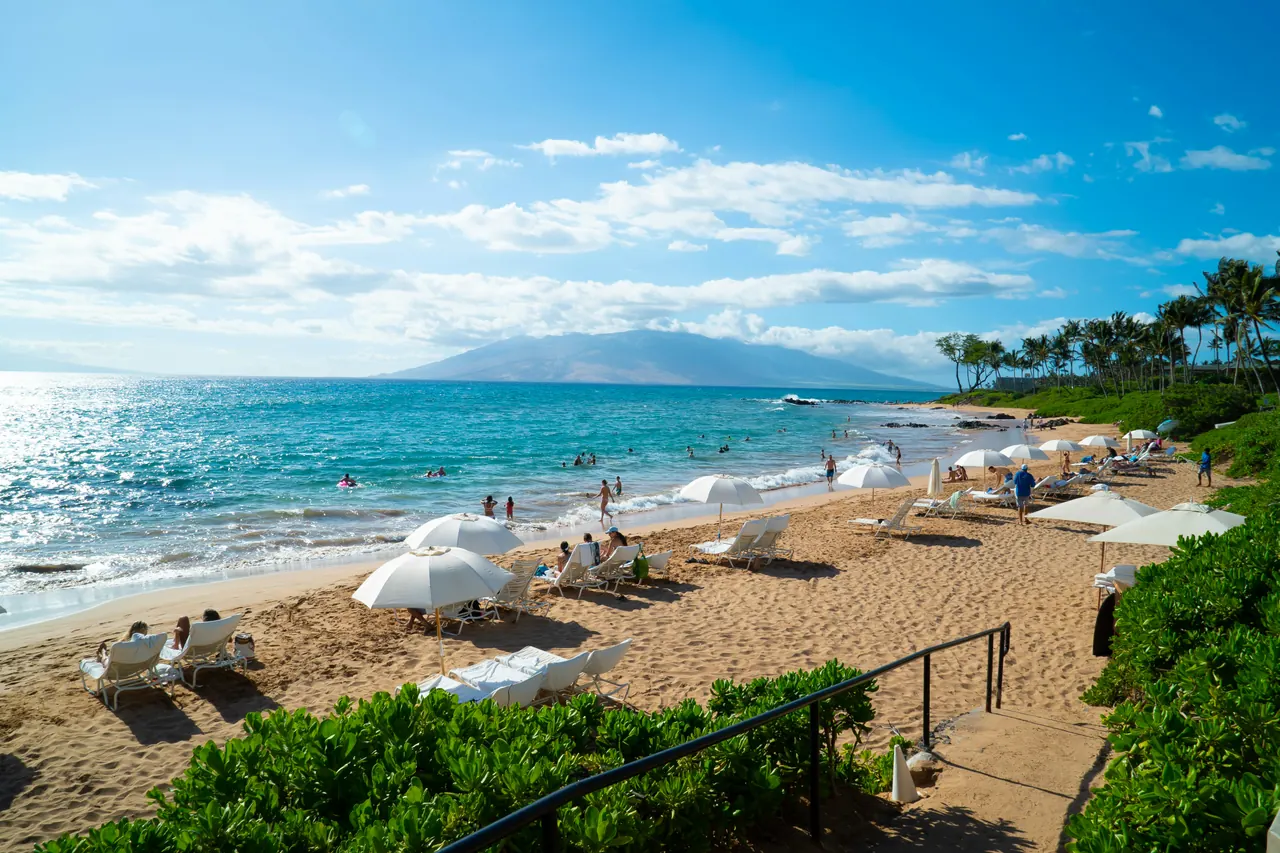
Wailea beach parking feels different from Kihei. The shoreline is resort-oriented, and public beach access exists, but the lots are often smaller, tucked between resort entrances, or easier in a compact vehicle.
The common Wailea-area parking choices are:
- Ulua-Mokapu Beach Parks: Maui County lists parking, restrooms, showers, and partial ADA accessibility. This is one of the most useful Wailea public beach access points, so it can fill early.
- Polo Beach Park: Maui County lists parking, restrooms, showers, picnic areas, ADA accessibility, and beach access near Wailea Alanui Drive. It works for families, but larger vehicles should arrive early.
- Palauea Beach Park: Maui County lists street-side parking, portable restrooms, no shower, and no ADA accessibility. Treat it as a light-pack beach stop, not a place to unload a full van.
As of this update, the current Park Maui beach-rate pages are centered on Kamaole/Kihei rules, not a blanket instruction for every Wailea public access lot. That can change. Wailea visitors should still check signs and official pages before assuming a lot is free, especially as Park Maui expands by phase.
Vehicle advice for Wailea is straightforward: choose the smallest vehicle that honestly fits the day. A compact SUV is often the best compromise because it carries towels and bags without feeling oversized. A passenger van can work for a group, but it is rarely the easiest beach-hopping vehicle in Wailea.
Makena is a state park fee, not a Park Maui fee
Makena needs a separate parking plan because Big Beach and Oneuli are part of Makena State Park, managed by Hawaii State Parks rather than Park Maui.
The official Makena State Park page lists:
- Hawaii residents: Free entry and parking with valid Hawaii ID or driver’s license.
- Non-resident entry: $5 per person, with children 3 and under free.
- Non-resident parking: $10 per non-commercial vehicle.
- Hours: Big Beach and Oneuli are generally open daily, with later summer hours listed for May, June, and July.
- Payment: The page says visitors can pay at parking kiosks or online through ParkMobile.
Makena is a planned outing, not a casual “we will find something” stop after everyone is tired. Bring water, sun protection, and a realistic beach kit. DLNR warns that the shore break can be dangerous, and the park page says there is no drinking water available.
For rental cars, an economy car is fine for two light packers. An SUV is better for families with shade, towels, snacks, and a cooler. A minivan is reasonable for a larger family, but park once and settle in rather than trying to hop between every Makena-area access point.
Quick South Maui parking comparison
Use this as a starting point before you choose the vehicle:
| Beach area | Parking reality | Best rental fit |
|---|---|---|
| Kamaole I | Small main lot, Park Maui rules, busy morning windows | Economy, midsize, compact SUV |
| Kamaole II | More street-parking feel, tighter for long vehicles | Economy or midsize car |
| Kamaole III | Larger lot and better family unload point | SUV or minivan |
| Kihei condo beach days | Often walkable if you are staying nearby | Choose by airport luggage first |
| Ulua-Mokapu | Useful Wailea access, can fill early | Compact car or compact SUV |
| Polo Beach | Public access with amenities, arrive early | Compact SUV, SUV, or minivan |
| Palauea | Street-side parking, lighter facilities | Small car or compact SUV |
| Makena State Park | State entry and parking fees for non-residents | SUV for families, smaller car for light packers |
If two vehicles both fit, choose the smaller one for beach parking. If the smaller one only works after perfect packing, choose the larger one before arrival day becomes cramped.
Avoid these rental-car beach parking mistakes
Most South Maui parking problems are avoidable if you slow down before leaving the car.
- Assuming old advice is current: Park Maui rules changed the Kamaole parking conversation. Check the current page, app, pay station, or posted signs.
- Arriving during resident-only hours: Weekend and County-observed holiday mornings need a different Kamaole plan if you are not a Hawaii resident.
- Entering the wrong license plate: Park Maui is license-plate based. A typo can make a paid session hard to prove.
- Using a beach stop as luggage storage: Do not leave suitcases, electronics, passports, bags, or cameras visible while you swim.
- Forcing a large vehicle into a small day: Extra cargo room helps only if you can legally and comfortably park it.
- Treating Makena like a county beach lot: Makena State Park has its own state entry and parking fees.
Before you lock the car, make the cabin look boring. Bring valuables with you, hide nothing in plain sight, and avoid making a beach stop before you have checked into lodging if the vehicle is still full of airport bags.
Reserve around the beach days you will actually take
The best South Maui beach vehicle is the smallest rental that fits your passengers, luggage, beach gear, and longest driving day. For Kamaole and Wailea, smaller cars and compact SUVs make parking easier. For families doing Kamaole III, Makena, groceries, and longer island days, an SUV or minivan may be the better tradeoff.
Aloha Rent A Car is based at 181 Dairy Rd in Kahului, near Kahului Airport, and has served Maui since 1975. If your trip depends on South Maui beach days, compare vehicle size before you land, not after the first crowded parking lot.
To choose around your actual beach plan, check availability for your Maui dates. If your group is deciding between an economy car, SUV, minivan, van, or two smaller vehicles for Kihei, Wailea, Kamaole, or Makena beach parking, contact the Aloha Rent A Car team before you book.