A Maui family car rental should be chosen around the busiest day of the trip, not the cheapest vehicle that technically seats everyone. For many families, that means a Maui minivan rental or SUV because child seats, checked bags, strollers, beach gear, grandparents, and grocery stops all compete for the same cabin space after landing at Kahului Airport. A smaller car can work for a light-packing family of three or four, but most families are happier when the rental has room to load calmly and keep the daily mess contained.
If you already know you need more space, start by comparing Maui SUV rentals and Maui minivan rentals. Then use the guide below to decide which one actually fits your people, bags, and Maui plans.
Start with the airport load
The hardest packing moment is usually not a beach day. It is the first hour after OGG, when every person and every item has to fit at the same time: suitcases, carry-ons, car seats, strollers, backpacks, snacks, diaper bags, grandparents’ bags, and sometimes groceries before check-in.
Before you reserve, count the arrival load honestly:
- Number of adults, kids, and grandparents riding together.
- Rear-facing car seats, forward-facing car seats, boosters, and base units.
- Full-size suitcases, carry-ons, backpacks, and personal items.
- Strollers, travel cribs, beach umbrellas, coolers, snorkel bags, or golf clubs.
- Groceries or diapers you plan to buy in Kahului before driving to Kihei, Wailea, Kaanapali, Kapalua, Paia, or Upcountry.
If the answer is “we can hold a few things on laps,” the vehicle is too small. Laps are not cargo space, and a tired arrival day is the wrong time to build a puzzle in the parking lot. The broader Kahului Airport car rental guide is useful if you are still planning baggage timing, pickup steps, and first stops after landing.
Minivan, SUV, or two cars?
Most Maui family rental car decisions come down to three choices: one minivan, one SUV, or two smaller vehicles. Each can be right, but they solve different problems.
- Choose a minivan when you have five to seven passengers, multiple child seats, grandparents riding with kids, a stroller, or a luggage-heavy arrival. Sliding doors help in resort and beach parking lots, and the cabin is easier to organize on repeated short stops.
- Choose an SUV when you have four or five passengers, want enclosed cargo room, and need comfort for airport transfers, Haleakala, Upcountry, or longer resort drives. A midsize SUV can be enough for a smaller family; a premium SUV may fit better when every traveler has a full suitcase.
- Choose two cars when you have two separate family schedules, teenagers and adults splitting activities, or more passengers than one vehicle can comfortably handle. The tradeoff is that you need two drivers, two parking spots, and more coordination.
For most families with younger kids, one roomy vehicle is simpler than two smaller ones. Everyone leaves together, one adult can handle navigation while the other manages snacks and kids, and there is only one return plan on flight day. For extended families with independent adults, two cars can be better because grandparents can leave early, one parent can do a grocery run, and a smaller group can go to dinner without moving every car seat.
How car seats change the answer
Car seats take more room than parents expect, especially when they are rear-facing or when two seats sit next to a booster. A vehicle that seats five on paper may not feel like a five-passenger family vehicle once the seats are installed.
Plan around these details:
- Rear-facing seats can push the front seat forward. That matters if a tall adult or grandparent is sitting in front.
- Forward-facing seats need room for the harness and, when required by the seat instructions, proper tether use.
- Boosters still need enough shoulder-belt access. Buckling a booster between two larger seats can be awkward.
- Three across is not guaranteed. Seat width, belt geometry, and the specific child seats all matter.
- Installation time belongs in the pickup plan. Do not schedule a tight grocery stop or dinner reservation immediately after arrival if you need to install multiple seats first.
If your family needs a specific seat layout, call before booking instead of assuming the category name solves it. Aloha Rent A Car is based at 181 Dairy Rd in Kahului, near the airport area, and has served Maui since 1975. The local team can help you think through vehicle class, passenger count, and whether a minivan, SUV, or van is the better starting point.
Hawaii child restraint rules to know
Hawaii child restraint rules apply in rental cars just like they do in any other passenger vehicle. The Hawaii Department of Transportation child passenger safety page says infants under 2 must ride in a rear-facing car seat with a harness; children 2 but under 4 must use a rear-facing or forward-facing car seat with a harness; and children 4 but under 10 must use a child passenger safety seat or booster unless they are over 4 feet 9 inches tall. HDOT also notes that all children in a motor vehicle must be properly restrained.
For trip planning, treat the law as the floor, not the full safety plan:
- Bring or reserve the correct seat for each child before you arrive.
- Use the car seat and vehicle manuals for installation.
- Keep children in the back seat when appropriate for their age and seat type.
- Do not put a rear-facing seat in front of an active airbag.
- Check the current HDOT guidance before your trip if your child is near an age or height cutoff.
This is practical, not just legal. A family day can involve short drives from the resort to the beach, longer drives to Upcountry, and return trips when everyone is sandy and tired. Correct restraints need to work every time, not only on the airport transfer.
Pack the stroller before the suitcase math feels final
Strollers are the item most likely to break a good vehicle plan. A compact stroller may slide in beside luggage. A full-size stroller, double stroller, or wagon-style beach carrier can consume the space you thought would hold grocery bags or beach chairs.
Use this packing order when comparing vehicle classes:
- Install or account for child seats first.
- Place the stroller or largest kid item next.
- Add full-size suitcases.
- Add carry-ons, backpacks, and diaper bags.
- Leave flexible space for groceries, towels, and wet beach gear.
If you are staying in a condo in Kihei or Wailea, you may add a full grocery stop before check-in. If you are driving to Kaanapali or Kapalua after a long flight, you may want snacks, diapers, and water within reach instead of buried under luggage. Either way, the stroller should be part of the first calculation, not an afterthought.
Grandparents need comfort, not just a seat
When grandparents are part of the Maui trip, choose around entry, exit, and ride comfort. A third-row seat that works for a teenager may be frustrating for an older adult. A vehicle that technically fits seven can still be the wrong choice if one person has limited mobility or needs a calmer ride after a long flight.
Minivans are often the easiest family vehicle when grandparents and kids ride together because the step-in height is lower, the doors open wide, and the cabin is easier to move through. SUVs can still be a good fit, especially when cargo room and higher seating matter, but check who will sit in each row before booking.
For longer days, think about the adult passengers as much as the kids:
- Can grandparents enter and exit comfortably at beach lots and restaurants?
- Does anyone need the front passenger seat for motion comfort?
- Will the third row be used every day or only for short drives?
- Can the family split a long day if someone wants to return to the resort early?
A Maui family car rental is not only about total seats. It is about making the repeated little movements of the trip easier.
Beach gear builds up fast
Maui family beach days create more cargo than arrival day planning suggests. Towels, reef-safe sunscreen, water bottles, sand toys, snacks, a cooler, umbrellas, floaties, snorkel gear, wet clothes, and extra shoes all need a place to go.
This is where SUVs and minivans earn their keep. Enclosed cargo room keeps loose items out of the passenger area, and a larger cabin gives you a spot for wet bags without putting them under someone’s feet. If you plan to visit several beaches around Kihei, Wailea, Kaanapali, Kapalua, or Paia, choose a vehicle you can reload quickly without unpacking the whole trunk at every stop.
Avoid making beach days harder than they need to be:
- Keep one small bag for dry clothes and one for wet gear.
- Put snacks and water where adults can reach them.
- Do not leave valuables visible when the vehicle is parked.
- Skip a crowded stop if parking would require squeezing a larger vehicle into an unsafe space.
- Bring fewer beach items on long driving days like Haleakala or Road to Hana.
If your trip has one major scenic drive and several easy beach days, compare the whole Maui rental car fleet around the family days you will repeat most often.
When a larger van makes sense
A minivan is usually the family default, but some groups should look at a passenger van. This is most common for multi-generational trips, wedding groups, sports teams, retreats, or families carrying bulky equipment.
Consider Maui van rentals if:
- You have more than seven passengers.
- The group wants to stay together instead of driving two vehicles.
- You have luggage plus large beach, surf, windsurf, or event gear.
- You have multiple adult drivers but only one practical parking plan at the resort.
The tradeoff is size. Larger vans need more care in tight beach lots, older town areas, and busy resort parking. If your group does not truly need the seats or cargo room, a minivan or SUV will usually feel easier day to day.
Family route planning by vehicle
For most normal Maui roads, the right family vehicle is about comfort, organization, and parking, not off-road capability. Choose for the routes you will actually drive:
- Kahului to Kihei or Wailea: A minivan or SUV helps if you are loading groceries before check-in. A smaller car can work for a light-packing family staying mostly near the resort.
- Kahului to Kaanapali, Kapalua, or Lahaina area: More drive time makes passenger comfort and accessible snacks more important.
- Paia, Makawao, and Upcountry: SUVs and minivans both work well; choose based on luggage and child seats.
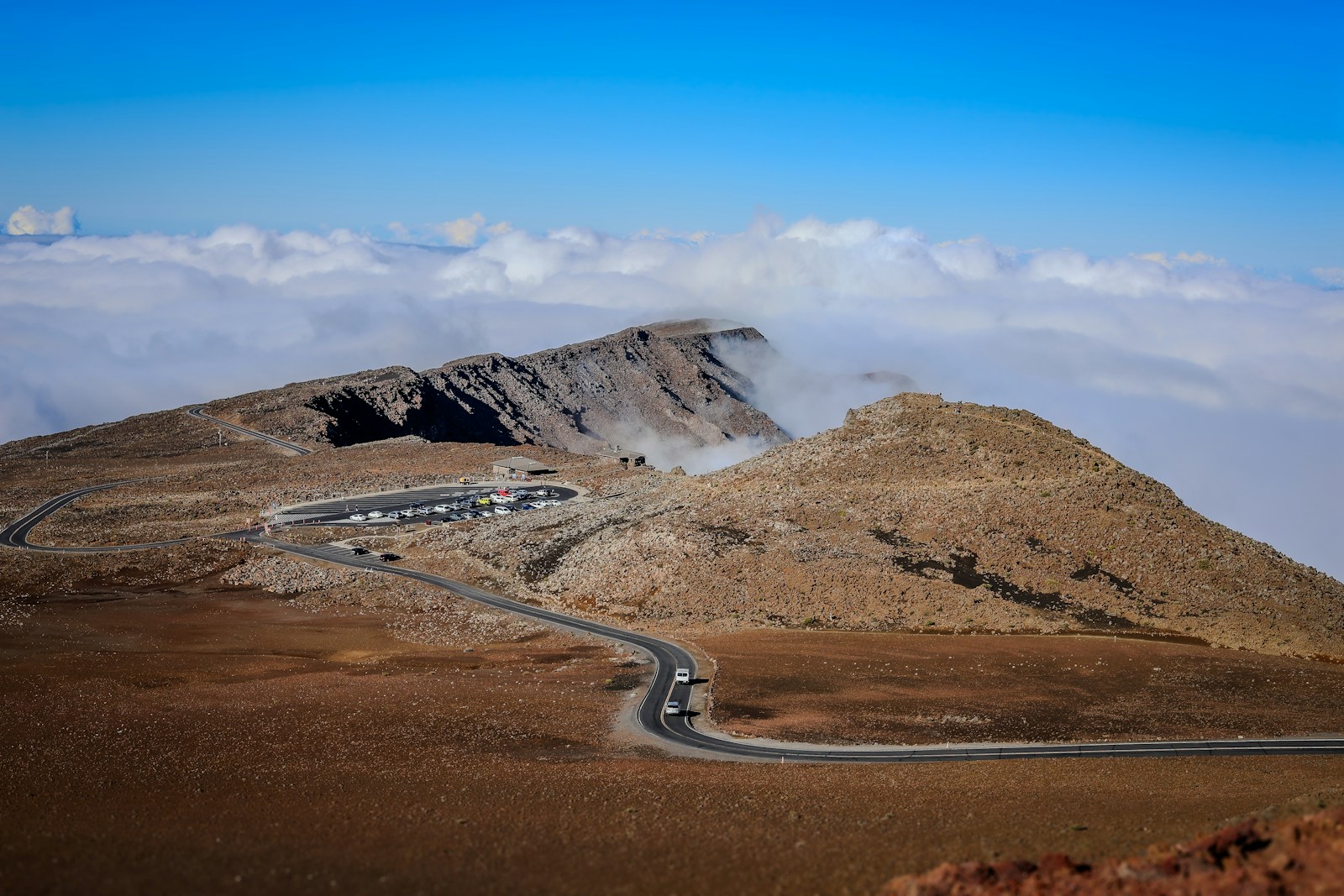
- Haleakala: Bring layers and choose a vehicle that keeps sleepy passengers comfortable on the return. The Haleakala sunrise rental car guide covers that drive in more detail.
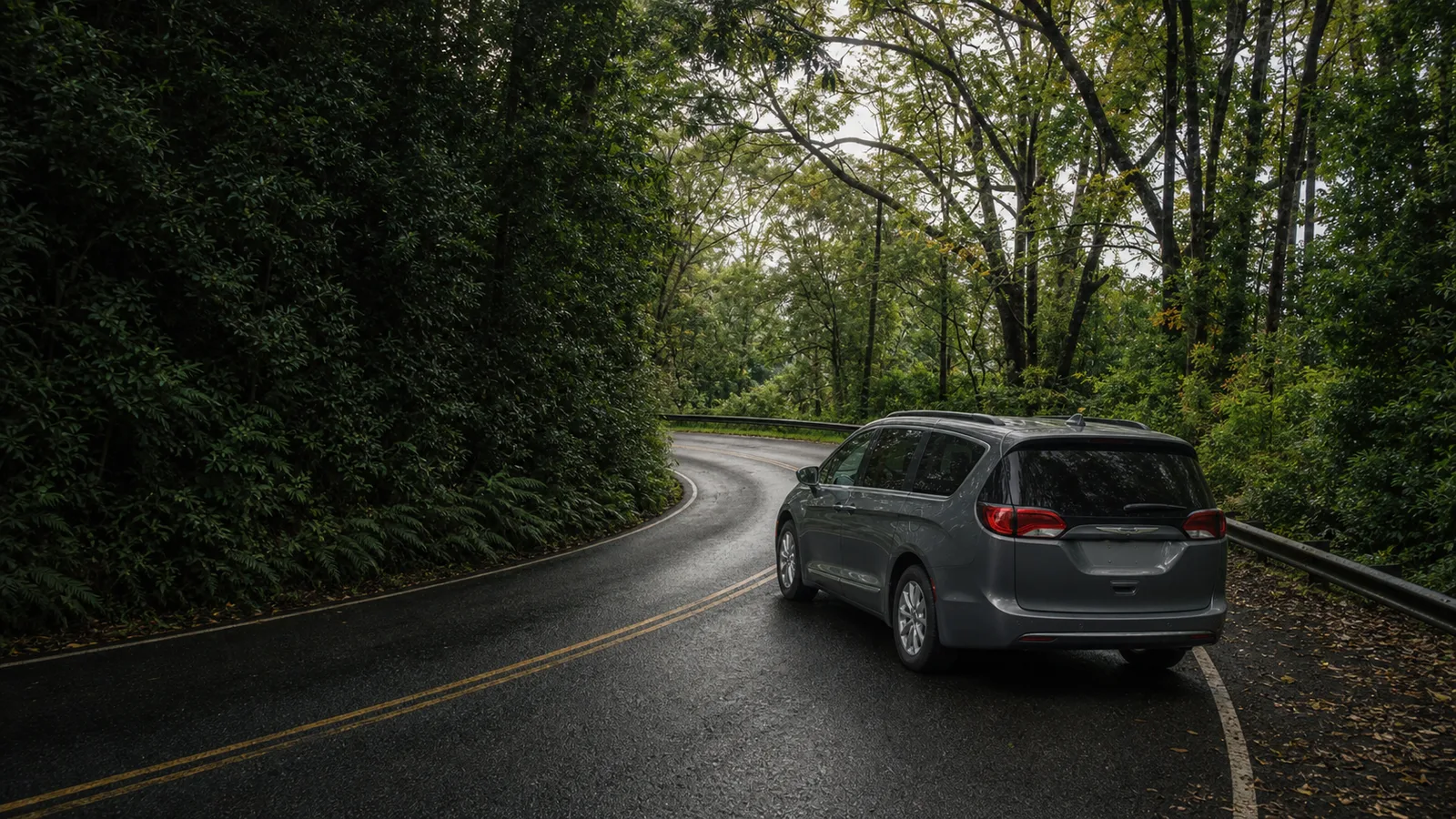
- Road to Hana: A midsize SUV or minivan can work depending on your family, but do not choose an oversized vehicle just because the road is famous. The Road to Hana rental car guide explains the route tradeoffs.
Keep rental vehicles on legal rental routes and ask before driving any route you are unsure about. A bigger vehicle does not change road rules, weather, parking limits, or rental agreement restrictions.
A simple family booking checklist
Before you reserve, answer these questions:
- How many total passengers are riding together on airport arrival day?
- How many rear-facing seats, forward-facing seats, and boosters do you need?
- Are you bringing child seats, reserving them, or buying them on island?
- Does anyone need easy step-in access or a specific row?
- How many full-size suitcases and strollers are coming?
- Will you grocery shop before check-in?
- Are beach chairs, umbrellas, coolers, snorkel gear, or sports gear part of the plan?
- Is one vehicle easier, or do two smaller cars fit your family schedule better?
If you are still unsure, choose the vehicle that makes arrival and departure easiest. Those are the days when every bag is with you, everyone is tired, and small mistakes become stressful.
Reserve the vehicle around the family, not the category name
The best Maui family car rental is the one that fits the real trip: kids in the right restraints, adults seated comfortably, grandparents able to get in and out, luggage loaded without blocking visibility, and beach gear contained without taking over the cabin. A Maui minivan rental is often the cleanest choice for larger families, child seats, and strollers. An SUV is a strong fit for smaller families that still need cargo room and comfort. A passenger van makes sense when the group or gear is genuinely bigger.
To compare current options, check availability for your Maui dates. If your family has child-seat questions, luggage concerns, flight timing changes, or a layout that needs extra thought, contact the Aloha Rent A Car team before booking.