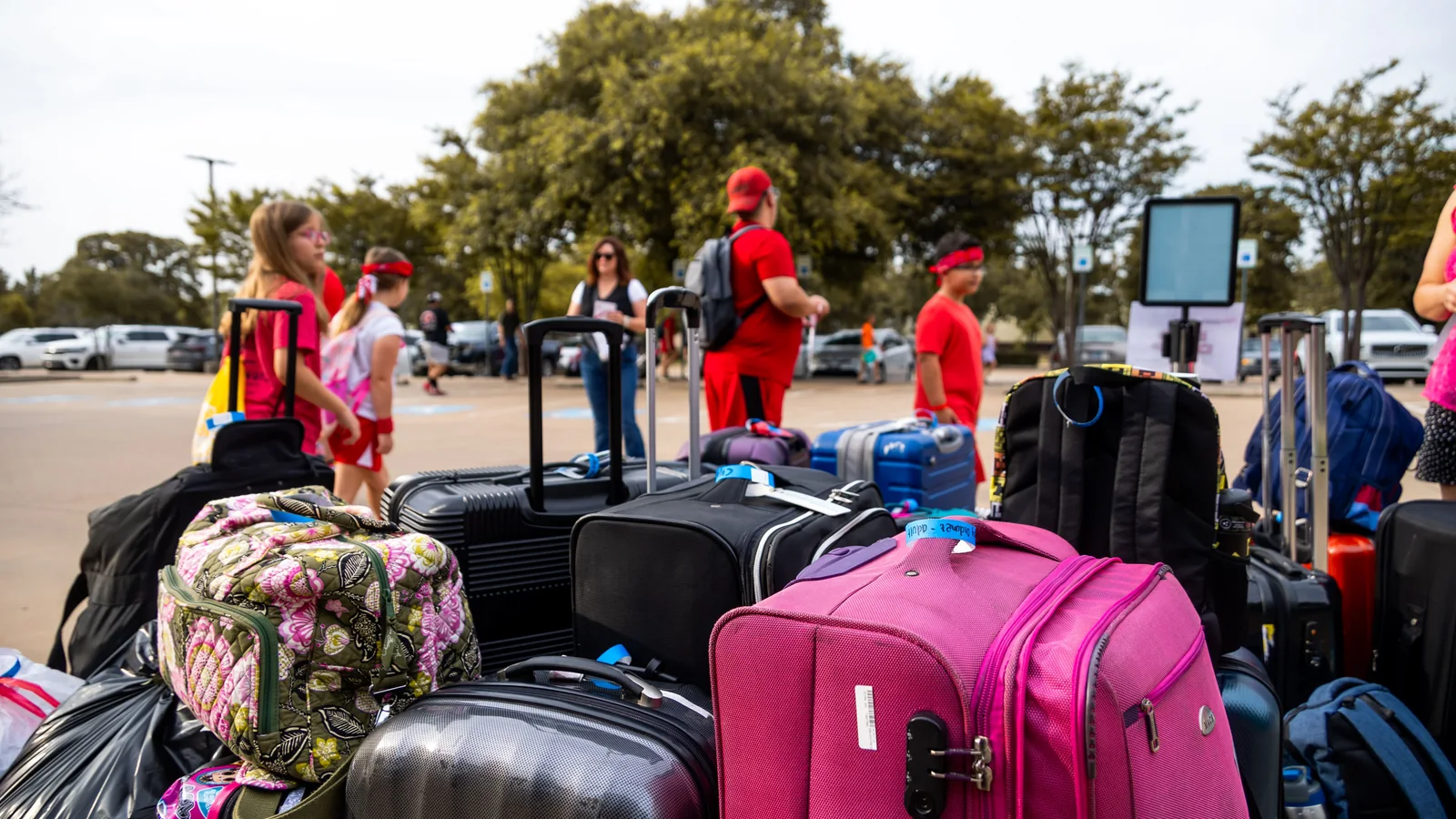
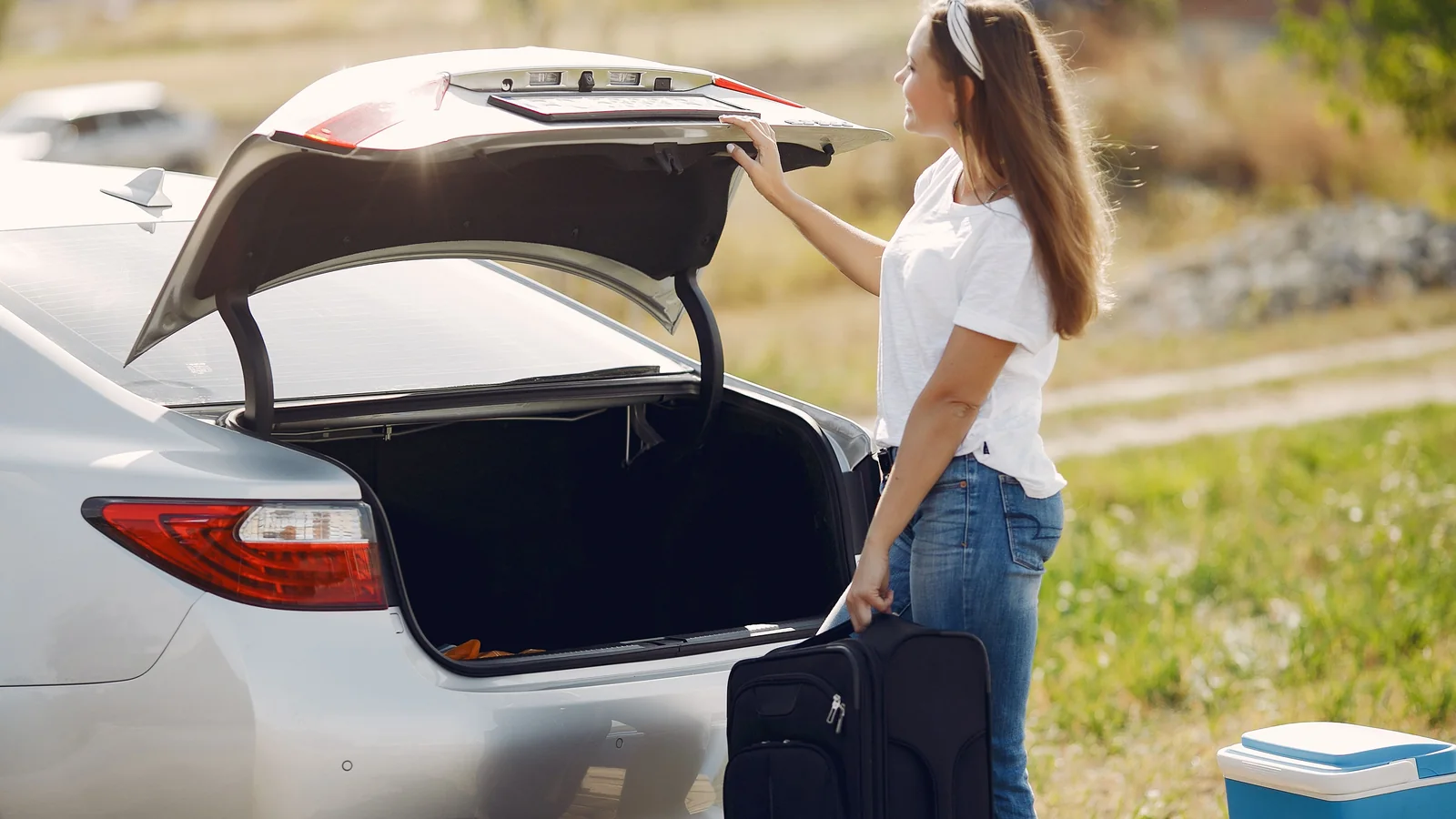
The cleanest way to return a rental car at Kahului Airport is to plan backward from your OGG departure, not forward from hotel checkout. First confirm when your airline requires you at the terminal. Before that, allow for agriculture inspection when it applies, bag check, security, the trip from the rental return to the terminal, the vehicle handoff, fuel, and the drive from your final Maui stop. Each block needs its own margin because one universal “arrive this many hours early” rule does not fit every airline, passenger, or itinerary.
If you are still choosing where to rent, compare Kahului Airport car rental options with the return location and flight-day handoff in mind. A cheap car is not a good fit if its return instructions conflict with your departure.
Start at wheels-up and write the schedule backward
Put the scheduled departure time at the bottom of a note. Above it, write the time your airline wants you at check-in, bag drop, or the gate. The official OGG airport FAQ does not give one airport-wide arrival rule; it tells passengers to check with their airline because airline check-in requirements differ.
That distinction matters. A carry-on traveler with mobile boarding passes has a different sequence from a family checking bags, a passenger arranging wheelchair assistance, or someone flying to the continental United States with fruit, flowers, or other agricultural items. Your airline should supply its current check-in and checked-bag cutoffs. Your job is to place the rental return before those requirements, with enough room for normal friction.
Build these blocks from latest to earliest:
- Scheduled flight departure.
- Airline check-in, bag-drop, and gate requirements.
- Agriculture inspection and security screening that apply to the itinerary and bags.
- Transfer or walk from the rental return point to the correct terminal area.
- Vehicle return, unloading, and final condition check.
- Fuel stop, only if the rental agreement calls for one.
- Drive from lodging or the final stop to Kahului.
- Checkout, breakfast, and the first loading of every bag.
Put agriculture inspection before you close the airport plan
Agriculture screening is easy to overlook because many travelers think only about airline check-in and TSA. For passengers leaving OGG for the continental United States, the official Kahului Airport agriculture-inspection page says checked baggage is inspected by the U.S. Department of Agriculture at stations in front of or at airline check-in counters. Hand-carried articles are inspected at security checkpoints, and passengers should be prepared to open and close baggage or parcels.
USDA APHIS gives the broader rule for travelers going from Hawaiʻi to the U.S. mainland, Alaska, or Guam: food, plants, and other agricultural items must be presented for inspection. Many fresh fruits and vegetables and certain plants are prohibited or restricted, while some items are allowed after inspection. Do not decide from memory that a pineapple, lei, plant cutting, seeds, fruit, or food souvenir is fine. Check the current USDA list for the destination and declare the item to the inspector.
The state Plant Quarantine Branch export guidance also directs travelers to the mandatory USDA baggage inspection. Official sources are safer than old travel tips because permitted items and procedures can change.
Make this part of packing, not a surprise at the terminal:
- Separate food, flowers, plants, seeds, and nature-based souvenirs so you can identify them.
- Keep parcels accessible until inspection is complete.
- Tell the inspector what you are carrying instead of hiding an item deep in a suitcase.
- Check USDA guidance again if your itinerary continues through Honolulu or another airport.
- Ask your airline how checked bags are handled on a connection.
Agriculture inspection does not replace airline bag drop or security. It is another required block to place in the departure sequence when it applies.
Before the terminal, account for the rental handoff
Work backward again: how do you get from the actual return point to the airline check-in area? The answer depends on the reservation, not simply on the fact that you are flying from OGG.
On-airport companies use the consolidated rental-car facility and airport transportation system described on the official OGG rental-car page. A local rental company may use a different return point and transfer procedure. Follow the address and instructions attached to your reservation rather than joining a return lane by habit.
Aloha Rent A Car is at 181 Dairy Rd in Kahului, near the airport area. That proximity helps, but “near OGG” is not the same as “already at the airline counter.” Confirm where to bring the vehicle, what happens next, and which return-time terms apply. Review the current rental policies, then contact the local team if your flight requires an early, late, or otherwise unusual handoff.
At the time this guide was prepared, Aloha’s published policy says the office closes at 4:00 p.m. and rental vehicles returned after 3:30 p.m. incur a $30 airport drop-off fee. Treat those as current terms to verify, not permanent airport rules: recheck the policy and confirm the handoff before choosing return times.
The companion OGG arrival and pickup guide covers the other direction. On departure day, do not replay the arrival plan in reverse and assume every step matches. Return instructions can have different lanes, paperwork, staffing, or transfer details.
Finish the vehicle before anyone walks away
The return should be a short confirmation, not the first time the group sorts bags. Decide who checks the cabin, counts luggage, and keeps the group clear of moving vehicles.
Use one deliberate sweep:
- Trunk and cargo floor, including the space around and beneath bags.
- Back seat, seat pockets, cup holders, and child-seat area.
- Front seats, center console, door pockets, glove box, and dashboard shelf.
- Charging cables, phone mounts, sunglasses, keys, wallets, and parking receipts.
- Beach gear, damp towels, sand-covered shoes, and groceries left from the stay.
- Rental documents and any items the return instructions tell you to leave in the vehicle.
Count suitcases after they are outside the car. A group saying “I thought you had it” is more likely when everyone is tired and the terminal clock is running. If the return process permits it, take clear final photos of the exterior, interior, odometer, and fuel display for your records. Photos do not change the rental agreement, but they can document the condition and dashboard at handoff.
Return the vehicle according to the contract rather than inventing a shortcut. Do not leave keys, park in an unapproved place, or assume an unattended drop is allowed unless the rental company gave those instructions.
Put fuel before the return, not between return and check-in
Read the fuel term in the rental agreement before departure day. Some reservations require a particular return level; others may include a different fuel arrangement. This guide cannot replace the agreement attached to your vehicle.
If you need fuel, choose the station and route before leaving the resort. A station that looks close on a map can still add a missed turn, a line, a restroom request, or a second loop through Kahului. Keep the final receipt if it helps document the stop, and photograph the fuel gauge only when safely parked.
Avoid two common errors:
- Fueling far from Kahului: The gauge can move during the remaining drive, depending on the distance and vehicle.
- Waiting until the rental lot: Once the car is in the return process, leaving again may not fit the instructions or schedule.
The goal is not to find the absolute cheapest last gallon. It is to meet the agreement without turning fuel into the fragile part of the flight plan.
The resort departure is where the return can unravel
The earliest block in the backward schedule begins before the car moves. Hotel or condo checkout, elevator waits, bell service, a misplaced room key, one last refrigerator check, and fitting every suitcase back into the vehicle all consume time.
Pack most of the car before the group starts a final breakfast or beach stop. Keep passports, medication, phones, chargers, boarding documents, and valuables with the people who need them. Do not bury an inspection item beneath every suitcase, and do not leave visible luggage unattended during a last meal.
Be conservative about the “one quick stop” between lodging and OGG. A stop is reasonable only if it has a clear parking plan, a firm leave time, and enough slack that skipping it would not be necessary after the first delay. Flight day is a poor time for a remote beach, a long sit-down meal, or a drive that depends on a road staying perfectly clear.
Groups need coordination, not a faster driver. Agree on loading, restrooms, fuel, the return address, and the terminal handoff the night before.
Give more space to the blocks that can expand
Some departure plans deserve wider margins without relying on a blanket airport rule:
- Several checked bags: Agriculture inspection, airline bag drop, and unloading all involve more pieces.
- Children and car seats: Removing seats, checking under them, bathroom stops, and moving through the terminal take coordination.
- A larger group: One missing person or suitcase can pause the whole return.
- Mobility assistance: Arrange airline help in advance and include the assisted handoff in the schedule.
- A mainland-bound flight with agricultural items: Keep inspection time and access to those items in the plan.
- A connection: Confirm the bag tag, destination code, and airline instructions instead of assuming where luggage will reappear.
- A distant lodging base: Road conditions and traffic affect the drive before the airport process even begins.
Check planned state road work on the HDOT Maui lane-closure page and unplanned major-road notices on the County of Maui road-closure page close to departure. A map estimate taken days earlier cannot account for a new closure or work zone.
Fill in this OGG return worksheet
Complete the blanks from top to bottom, then read them from bottom to top:
- Flight departs: **_**
- Airline says be at check-in, bag drop, or gate by: **_**
- Agriculture inspection and security block begins: **_**
- Arrive at the terminal area: **_**
- Leave the rental return point: **_**
- Vehicle handoff must be complete: **_**
- Finish fueling: **_**
- Leave the final Maui stop: **_**
- Leave lodging after bags are loaded: **_**
If two entries land on the same minute, the plan is not finished. Add the transfer, walking, unloading, restroom, and ordinary-delay margin between them. Then save the return address and instructions offline so a weak signal does not become the next problem.
Confirm the return while you are choosing the car
Return day works best when it is part of the reservation decision. Before booking, compare the return location with OGG, confirm the agreed fuel term, ask how the terminal handoff works, and share any unusual departure timing with the rental team. Then size the vehicle for the return load: every passenger, suitcase, child seat, and souvenir still has to fit on the last drive.
When your dates and flight plan are set, check rental-car availability using the actual pickup and return times. If a return instruction, agriculture item, or airline deadline is unclear, confirm it with the responsible source—the rental team for the vehicle, USDA for agricultural items, and the airline for check-in and baggage—before departure morning.