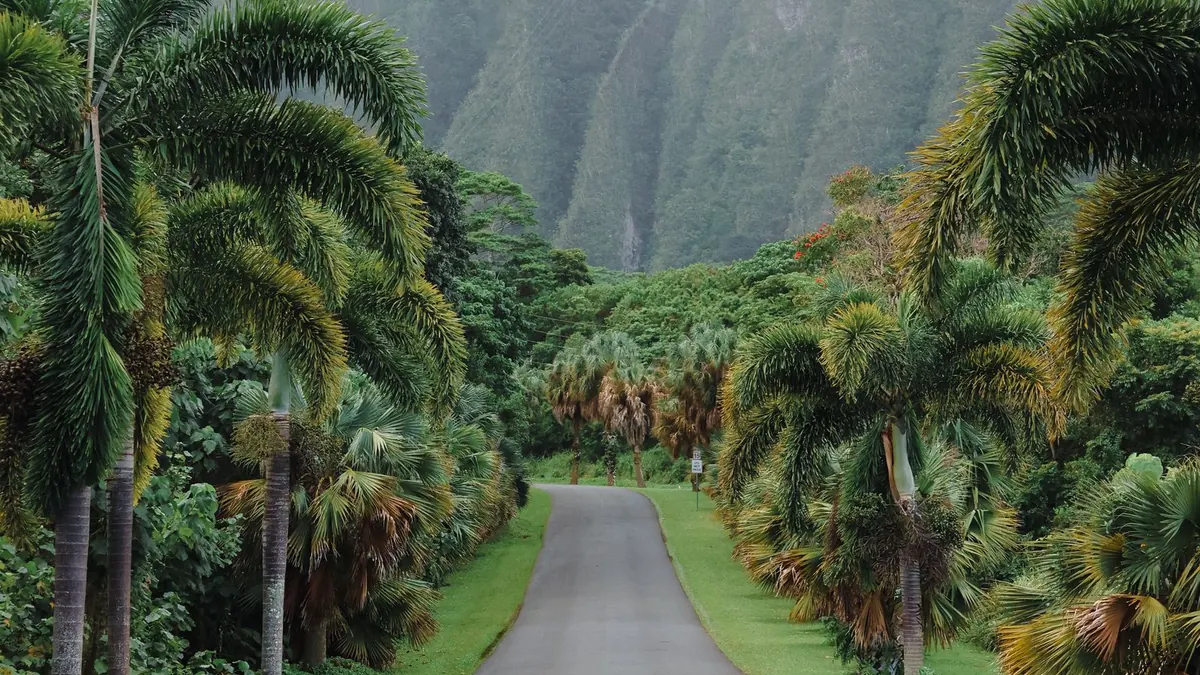
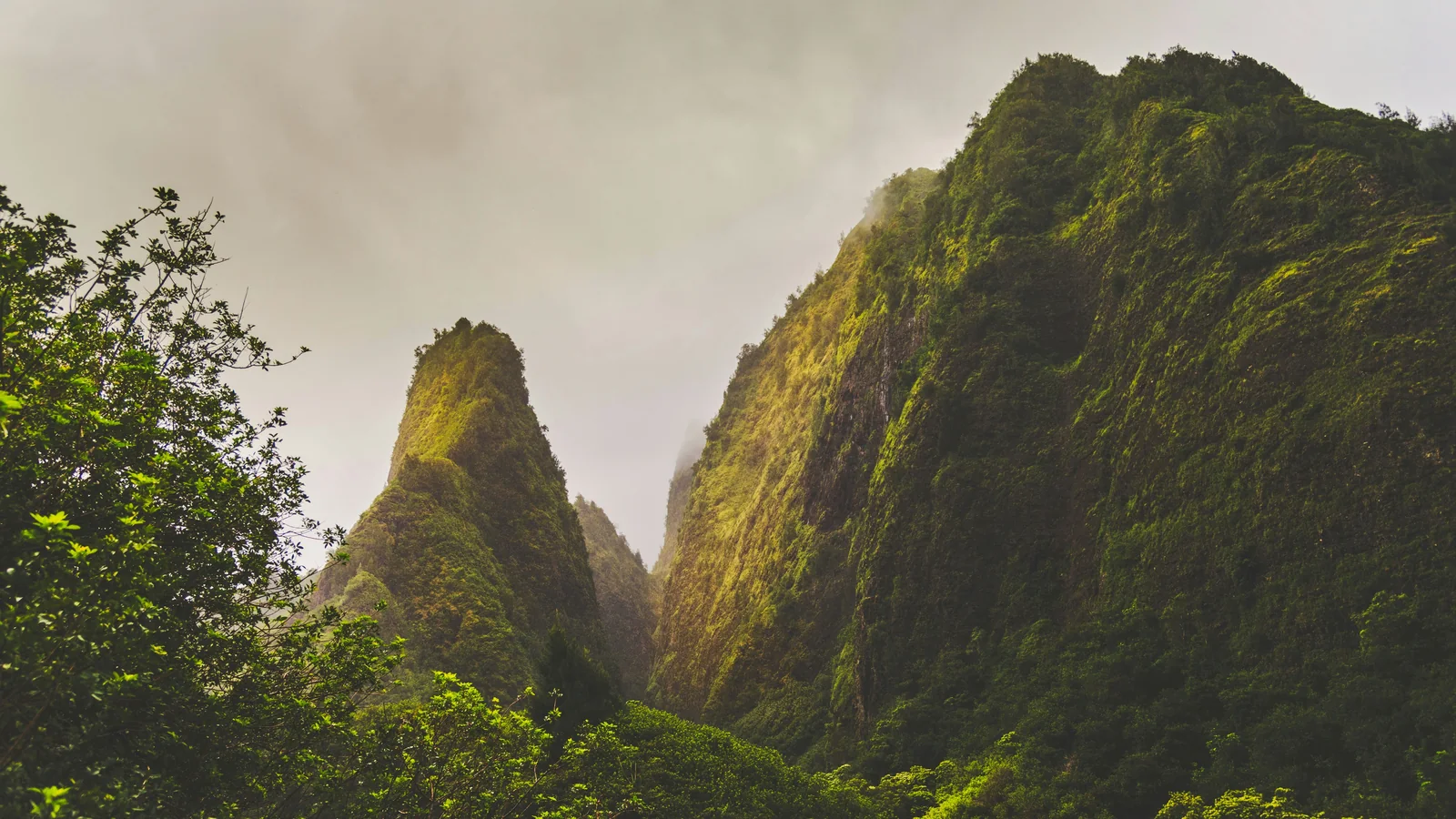
If you are visiting ʻĪao Valley State Monument from outside Hawaiʻi, reserve both entry and parking before you drive. As of August 24, 2026, the official Hawaiʻi State Parks page lists daily hours of 7:00 a.m. to 6:00 p.m., a $5 nonresident entry fee, and a $10 nonresident parking fee for a noncommercial vehicle. Those details can change, and weather can close a park even when you have a reservation, so check the official park page and current notices again on the day of your visit.
You do not need a large or off-road vehicle for the normal park visit. The state describes the main viewpoint walk as a paved 0.6-mile route, so an economy car for Maui is usually enough for a small group. Choose more room only when passengers, mobility needs, child seats, or luggage require it.
Reserve the parking space before building the morning
The reservation is the first planning decision, not something to solve after reaching Wailuku. The official ʻĪao Valley State Monument page says advance reservations are required for out-of-state residents and that nonresidents need entry and parking reservations. Use the linked Hawaiʻi State Parks reservation portal to choose the available visit that fits your date.
Treat entry and parking as two parts of the same plan:
- Account for every person who needs a nonresident entry ticket.
- Include a parking reservation for the rental car, not only admission for the passengers.
- Use the correct visit date and available time shown during checkout.
- Save the confirmation where you can reach it even if reception is weak.
- Review the portal’s current instructions before arriving instead of relying on an old screenshot or travel post.
Hawaiʻi residents with a valid Hawaiʻi driver’s license or state ID have different entry and parking terms listed by the state. If a mixed resident and visitor group is traveling together, follow the reservation portal’s current instructions for each person rather than assuming one resident ID covers the entire car.
Do not drive into the valley hoping a sold-out or missed reservation can be fixed at the gate. If the slot you wanted is unavailable, choose another available time or change the day. That is cleaner than adding traffic to a narrow destination without a confirmed place to park.
Read the listed hours and fees as current information, not a guarantee
At the time this guide was prepared, the state park page listed these terms:
| Item | Current listing for a nonresident visitor |
|---|---|
| Park hours | 7:00 a.m. to 6:00 p.m. daily |
| Entry | $5 per nonresident; children age 3 and under listed as free |
| Parking | $10 per noncommercial vehicle |
| Main walk | Paved 0.6-mile ʻĪao Needle Lookout Trail and Ethnobotanical Loop |
These are useful budgeting details, but they are not permanent promises. State hours, fees, reservation procedures, and park access can change. The reservation portal is the source for what you can actually purchase, while the park page is the source for current operating details and notices.
Check both shortly before the drive. A booking confirmation means you reserved under the terms offered at booking; it does not mean the road or park must remain open through flooding, wind, maintenance, or another emergency.
Choose the car for your people, not for the valley road
ʻĪao Valley does not call for a Jeep simply because it is green, steep, and dramatic. The ordinary visitor plan uses a paved road, a designated parking area, and a paved short walk. Four-wheel drive does not create extra access, change park rules, or make a closure negotiable.
For most visits, choose this way:
- Economy or midsize car: Best for one to three people, light bags, and easy Central Maui parking.
- Compact or midsize SUV: Useful when four or five passengers, a stroller, mobility equipment, or several day bags need enclosed room.
- Minivan: Practical for a family using multiple child seats or a multigenerational group that values easier loading.
- Passenger van: Consider only when the group truly needs the seats. A larger vehicle gives you no advantage on the park walk and requires more care in parking areas.
If ʻĪao is one stop within a longer Maui rental, size the car around the hardest day of the whole rental. Airport luggage, family seating, beach equipment, or a week of errands may matter more than this short park visit. The Maui rental car fleet lets you compare those tradeoffs without treating ʻĪao as an off-road outing.
Time the visit around valley weather, not wishful thinking
The West Maui Mountains can look completely different from one hour to the next. Mist may suit the landscape, but stronger rain can affect visibility, footing, streams, roads, and whether the park can operate safely. The right backup plan is decided before the rental car enters the valley.
On the morning of the visit:
- Reopen the official ʻĪao park page.
- Check the Hawaiʻi State Parks notices for closures or access changes.
- Review the weather for Central Maui and the valley area.
- Follow closure signs and instructions from park or emergency staff.
- Be willing to use the rest of the day elsewhere if conditions are poor.
Never treat an SUV, Jeep, or confident driver as a workaround for a weather closure. If water covers a road, a barrier is in place, or officials say not to proceed, turn around. The broader guide to Maui rental car road restrictions and official alerts explains why rental permission and current road access are separate checks.
Bring a light rain layer and shoes that suit wet pavement. Keep an extra dry layer in the car, but do not carry a complicated hiking load for a short viewpoint walk. A compact, weather-ready kit makes it easier to move calmly and leave when your reservation period or conditions call for it.
Keep arrival day separate from a luggage-filled park stop
ʻĪao Valley is in Central Maui, which can make it look easy to add immediately after landing at Kahului Airport. The map is not the whole decision. An arrival-day group may still be waiting for bags, installing child seats, learning the rental car, buying food, and checking into lodging.
Avoid making ʻĪao the first stop when every suitcase, passport, laptop, and camera is still in the vehicle. A beautiful park parking lot is not luggage storage. Check into your lodging first when practical, then visit with an uncluttered cabin and only the items you need.
If you do plan the visit near an airport day, leave more margin than the driving route appears to require. A flight delay, slow baggage claim, changed park notice, or rain shower can break a tight schedule. The Kahului Airport car rental guide covers the baggage and pickup side of that decision.
The same caution applies on departure day. A timed park reservation should not compete with rental return, fuel, agricultural inspection, airline check-in, and security. ʻĪao is better as a flexible Central Maui outing than as the final task between checkout and a flight.
Pair ʻĪao with one useful Central Maui plan
The state describes a short paved route, so many visitors will spend less time walking than they would on a full hiking day. That does not mean the answer is to stack three distant Maui regions into the same schedule. Pair the park with one nearby purpose and keep the day adaptable.
Useful combinations include:
- ʻĪao plus a Wailuku meal: Keep the driving local and give the reservation a calm buffer.
- ʻĪao plus Kahului errands: Handle groceries or practical supplies after the park, once timing and weather are no longer uncertain.
- ʻĪao plus a return to Kihei or Wailea: Make the valley the one scheduled stop, then continue south without racing to another attraction.
- ʻĪao plus a quiet afternoon: This is the best choice when rain remains possible or the group includes young children or older relatives.
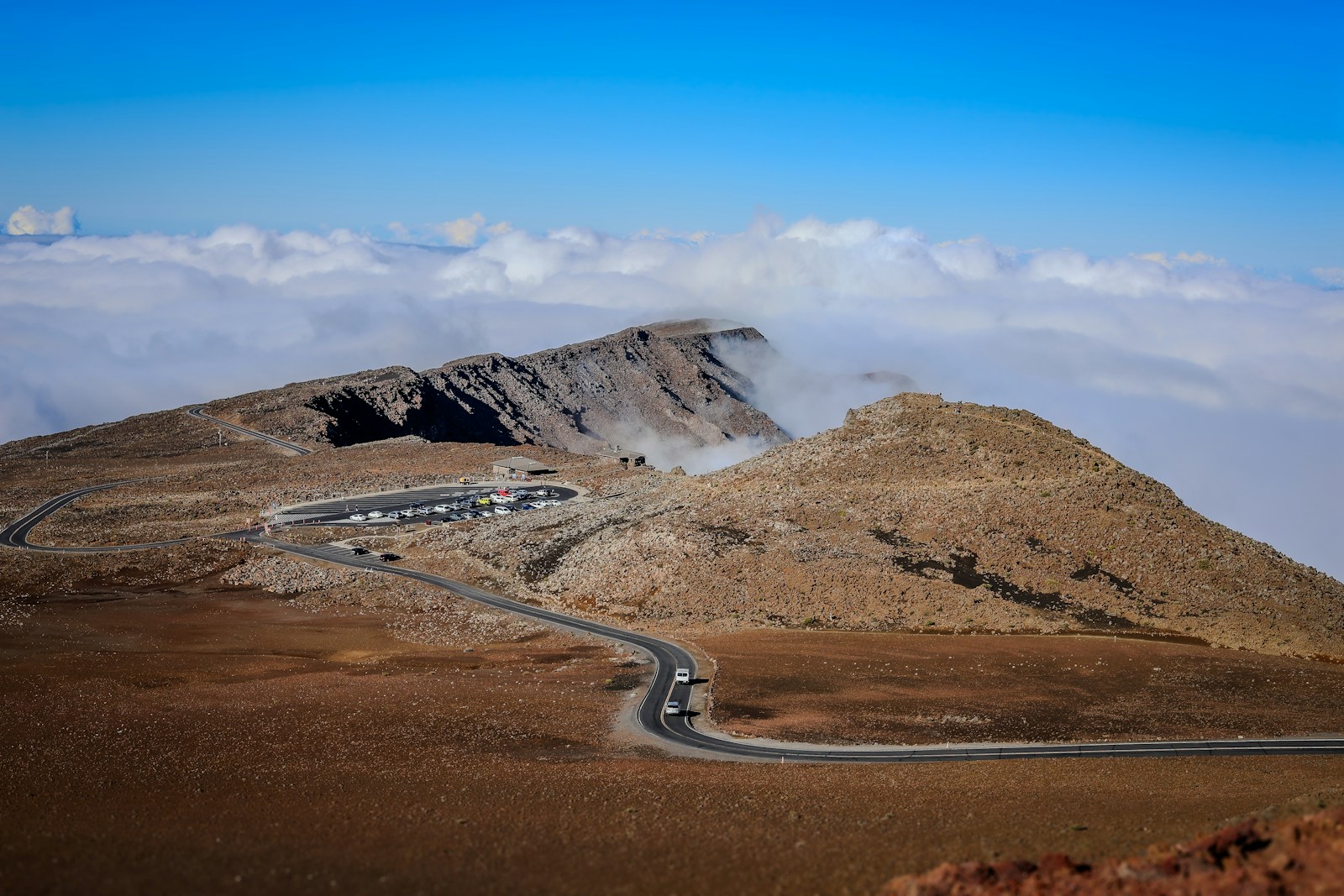
Do not pair it with a rushed Road to Hana, a Haleakalā summit reservation, or a late run to West Maui simply to make the rental car feel busy. A car creates flexibility; it does not require turning every open hour into another cross-island drive.
Let the cultural setting shape how you use the parking lot
The DLNR park page describes ʻĪao Valley as a place with cultural and spiritual importance and identifies it as the site of the 1790 Battle of Kepaniwai. The visit deserves more than a quick photo and an engine left running while someone waits.
Use the designated parking area, keep music low, follow posted paths and barriers, and make room for other visitors to arrive and leave. Do not park on roadside vegetation, block circulation, or create your own pullout when the legal area is full. Stay within areas open to visitors and do not enter streams or closed ground because a social-media photo suggests it.
The most respectful vehicle is not a particular class. It is one parked legally, unloaded efficiently, and driven away without adding noise, congestion, or pressure to the valley.
Check these details before you turn toward ʻĪao
Use this final check in Kahului, Wailuku, or at your lodging:
- Entry and parking are reserved for the correct date and current available time.
- Confirmation and current portal instructions are saved.
- The official park page and State Parks notices show no closure affecting the visit.
- The weather still supports the drive and short walk.
- The vehicle fits every passenger, child seat, mobility aid, and day bag.
- Luggage and valuables are secured somewhere appropriate, not displayed in the car.
- Everyone has a rain layer, water, and shoes suited to wet pavement.
- The rest of the day can change if the valley closes or weather turns.
ʻĪao Valley works best as a reserved, compact Central Maui visit. Book the park before you build the route, choose the smallest rental that comfortably fits your real group, and check official conditions again before leaving.
If ʻĪao is one part of a five-day-or-longer Maui plan, check rental car availability for your dates and choose around the full trip rather than this one short drive.