For most Pāʻia and Upcountry trips, an economy or midsize car is the easiest fit when one to three people are packing light and town parking matters. Choose an SUV when several passengers, full-size bags, child gear, or longer Haleakalā and island days make cargo room and comfort more important. You do not need a special off-road vehicle for ordinary paved routes between Kahului, Pāʻia, Makawao, and Kula.
The bigger decision is geographic: Pāʻia is a compact North Shore town, while Makawao and the wider Upcountry area spread inland and uphill. Plan OGG errands before leaving Kahului, park once in each town, and decide whether the day branches toward the North Shore, Haleakalā, or Hāna. Light packers can start with Maui economy car rentals; luggage-heavy groups should compare more space before booking.
Read the area from coast to mountain
Pāʻia, Makawao, and Upcountry are often grouped into one Maui day, but they do not function like one neighborhood. Pāʻia sits along Hāna Highway near the coast, with shops and restaurants concentrated around the town core. Baldwin Avenue leads inland toward Makawao, where another walkable town center becomes a useful Upcountry stop. Beyond that, roads continue through communities, farms, residential areas, and higher-elevation landscapes around Kula and the slopes of Haleakalā.
That shape changes the rental-car plan:
- Pāʻia only: Favor easy parking, a short town visit, and a legal place for every beach item or suitcase.
- Pāʻia plus Makawao: Park once in each town instead of hunting for curb space beside every shop.
- A full Upcountry day: Prioritize passenger comfort, layers, water, and a route that does not depend on constant backtracking.
- Haleakalā or Hāna branch: Treat the major drive as its own plan. Pāʻia or Makawao can be a base or stop, not proof that the rest of the route is quick.
Handle OGG errands while you are still in Kahului
Kahului Airport is the practical arrival point for most visitors staying in Pāʻia or Upcountry. This is the moment to decide whether groceries, food, forgotten supplies, or a fuel plan belong in Central Maui rather than after you have reached lodging.
Aloha Rent A Car is at 181 Dairy Rd in Kahului, near OGG. If you are comparing pickup choices, the Kahului Airport car rentals page shows the vehicle categories available through the local fleet. Choose around the load leaving Kahului: passengers, checked bags, carry-ons, a stroller or child seat, and anything you plan to buy before check-in.
Use a simple arrival split:
- Go directly to Pāʻia or Makawao when the group is tired, lodging access is ready, and errands can wait.
- Make one focused Kahului stop when you need breakfast supplies, water, medicine, diapers, or other basics.
- Do the larger grocery run first when you have a kitchen, enough cargo room, and no desire to drive back toward Kahului later.
- Skip a long stop with visible bags when the car is fully loaded. Secure luggage at lodging before lingering elsewhere.
In Pāʻia, the smaller parking footprint earns its keep
Pāʻia’s useful places are concentrated, which makes parking once and walking the cleanest approach. The County of Maui’s official municipal parking directory lists a Lower Pāʻia municipal lot off Hāna Highway and an Upper Pāʻia municipal lot off Baldwin Avenue. The same directory lists the county contact for lot questions.
That source confirms where municipal options exist; it does not promise that a space will be open when you arrive. It also should not be used to guess current time limits, fees, or rules. Read the sign at the lot and on the block, distinguish municipal parking from private customer parking, and do not treat a loading zone or shoulder as an overflow stall.
A compact car helps in Pāʻia because it is easier to place within a marked stall and simpler to maneuver when pedestrians, delivery vehicles, and turning traffic share a busy town area. An SUV can still be the right trip vehicle, but extra size is not an advantage while circling for a space.
Before leaving, put bags and valuables out of sight, check the posted limit, and remember where the group parked. If the lot is full, move to another legal option rather than waiting in traffic.
Pāʻia works best as a town you walk after parking, not as a series of ten-minute car hops.
Makawao is another park-once town
Makawao changes the scene from coastal traffic to an inland town center, but the parking strategy stays similar. The County’s municipal directory lists a Makawao municipal parking lot off Makawao Avenue. Use that as a planning reference, then follow the current signs and markings you find on arrival.
Park once if your plan is to browse shops, eat, or walk the center. Repositioning the car for every block adds turns and parking searches without adding much value. It also makes a group more likely to leave a bag, phone, or purchase in the wrong place.
An economy or midsize car remains a good fit here for couples and light packers. Choose an SUV because the whole trip needs the space—not because Makawao itself requires one. If the day continues into Kula with a family, jackets, a cooler, or several shopping bags, the SUV’s enclosed cargo area and more comfortable seating may justify its larger town footprint. Compare Maui SUV rentals when that is the actual use case.
Upcountry rewards a route, not a pile of pins
Outside the town centers, Upcountry becomes more dispersed. A list that includes a farm visit, a meal, a market, a scenic stop, and Kula may look compact on a screen while still requiring repeated driving, parking, and coordination.
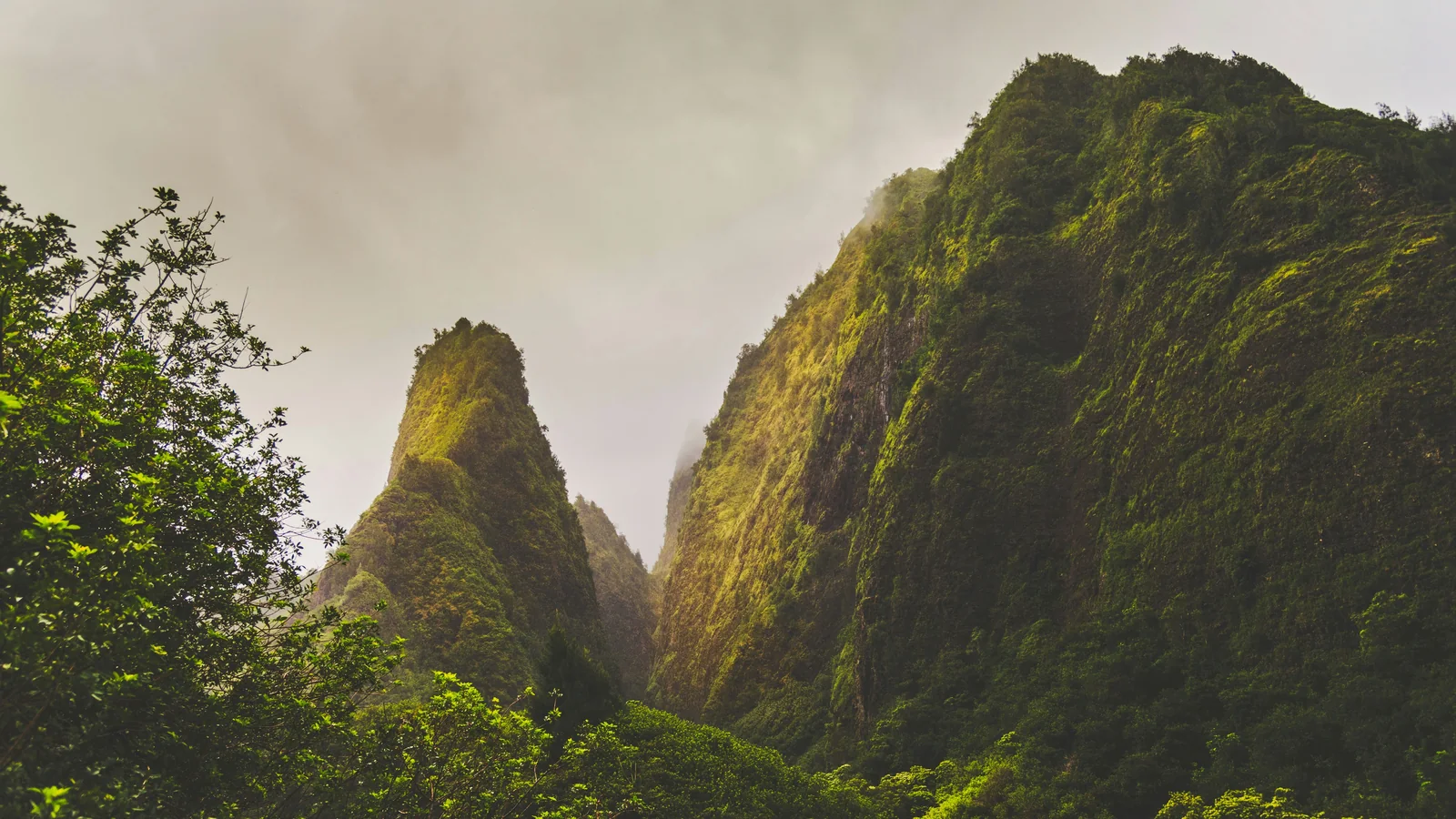
Build the route around confirmed destinations. Check each business or attraction directly for current hours, reservations, access instructions, and parking. Do not use a private driveway, farm entrance, or narrow shoulder as a scenic turnout. Fog, rain, bright sun, and cooler temperatures can also change across elevation, so keep layers and water accessible instead of buried under luggage.
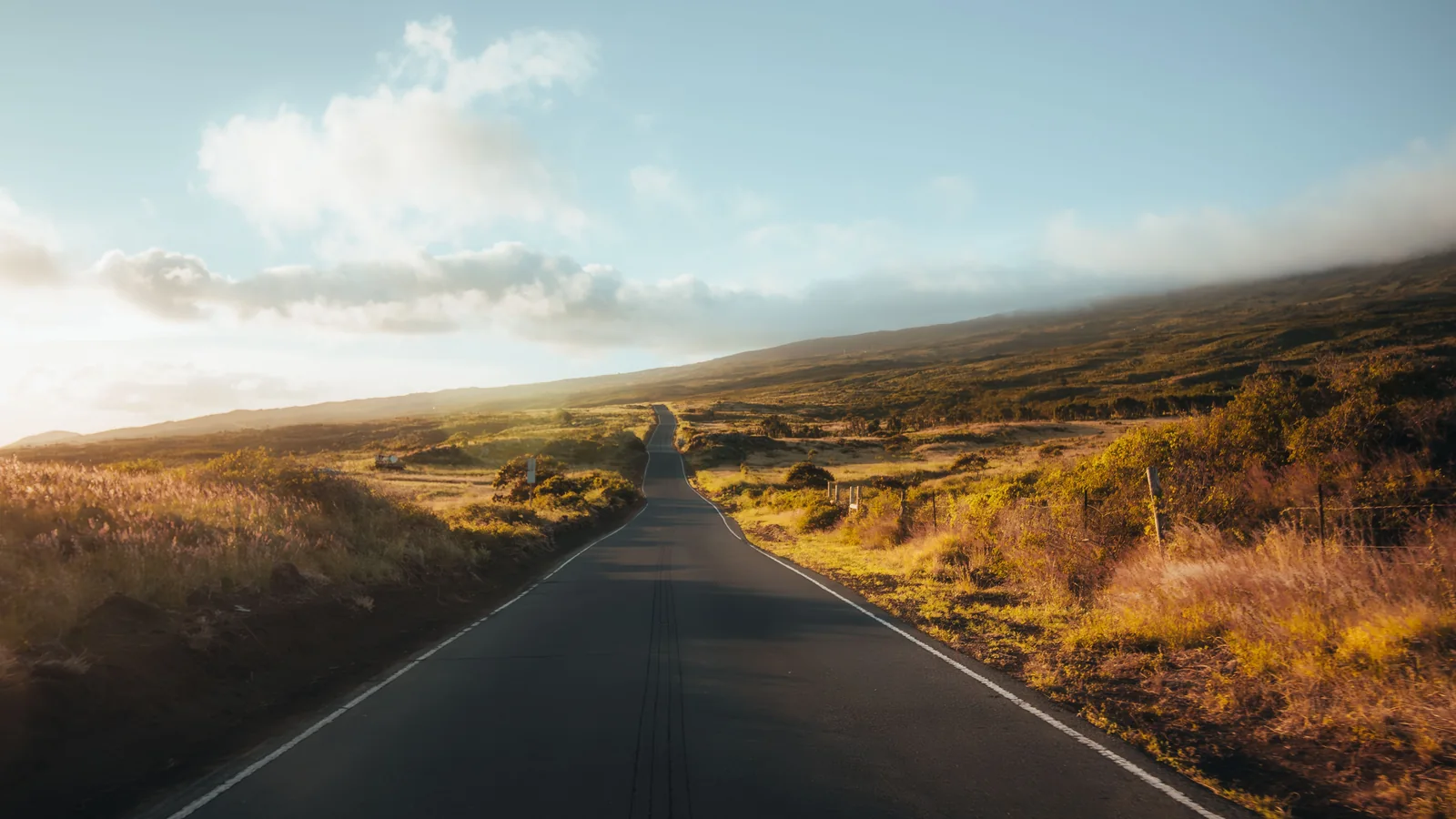
The vehicle does not need to look adventurous. It should be easy to position on paved roads, comfortable for passengers, and large enough that bags do not block visibility. An economy car usually works for a couple with a daypack; an SUV or minivan may simplify several family stops.
Do not build a loop only because an app draws one. Rental terms, closures, daylight, and driver comfort matter. When a route is uncertain, ask before driving and use the known paved road back.
Choose one major branch from the Pāʻia–Makawao spine
Pāʻia and Makawao sit near very different trip directions. Combining them all usually produces more windshield time than useful time on the ground.
North Shore branch
Keep the day coastal if the priority is Pāʻia, a legal beach or lookout stop, and another confirmed North Shore destination. Parking and ocean conditions matter more than vehicle type. Use marked stalls, respect closures and private property, and never stop in a travel lane because the view appeared suddenly.
An economy car is the simplest fit for a town-and-coast day with light gear. An SUV makes sense when several people, boards, a stroller, or bulky beach equipment genuinely need the space. Keep equipment secured inside the vehicle or on an appropriate rack; do not let it obstruct the driver’s view.
Haleakalā branch
Upcountry may put you closer to the mountain approach than a South or West Maui resort, but it does not remove the need for a real summit plan. Weather, fuel, layers, driver alertness, park access, and the timing of the return still control the day.
If sunrise is the goal, use the dedicated Haleakalā sunrise rental car guide for the current reservation process and summit preparation. This area guide should not replace it. For a daytime visit, verify current park and road information before leaving and keep enough flexibility to turn the day into a lower-elevation Upcountry plan if conditions change.
Hāna branch
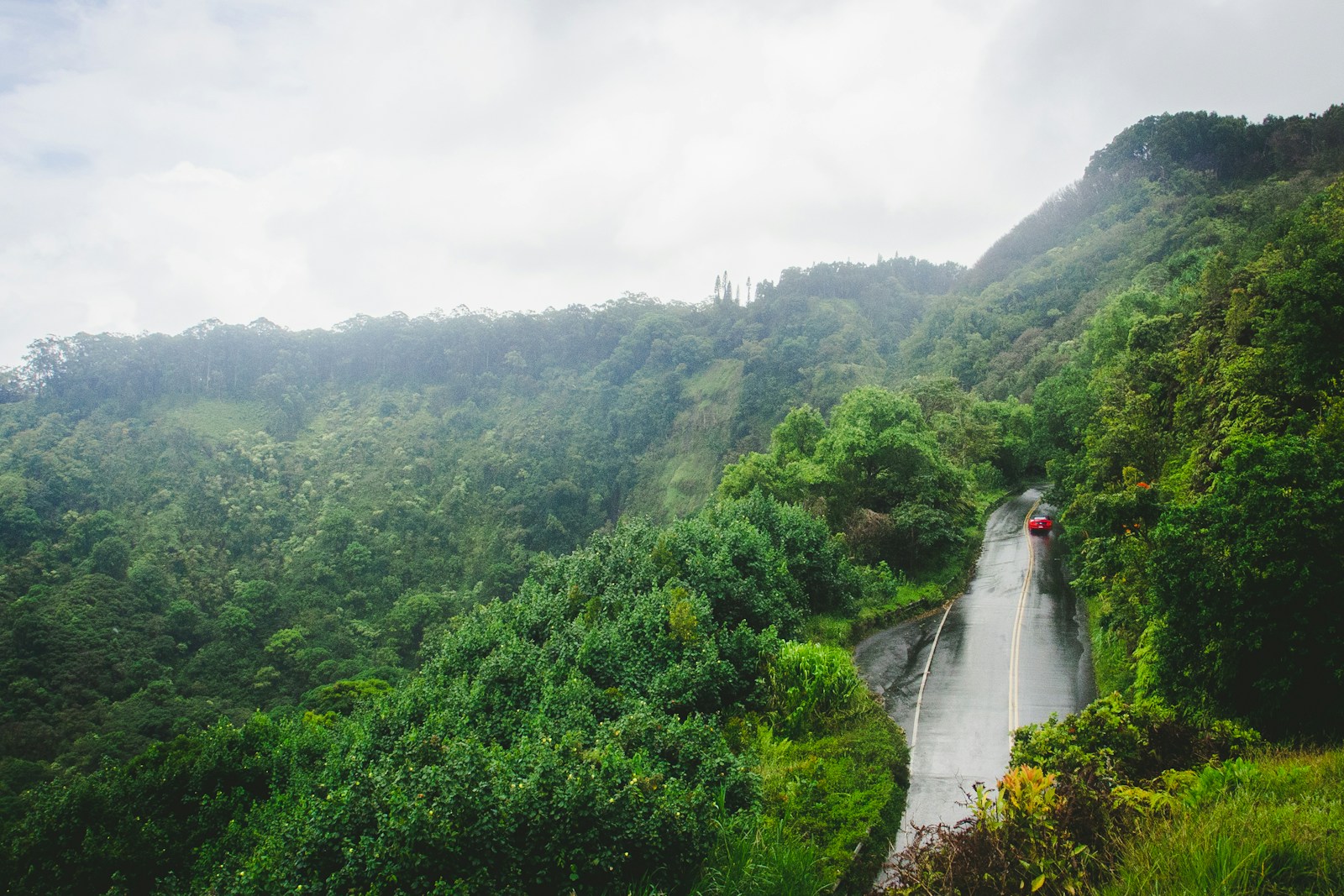
Pāʻia is a familiar starting landmark for the Road to Hāna, but it is not a shortcut that makes Hāna a casual add-on after shopping and lunch. The drive is slow, stop-heavy, and sensitive to weather, road work, legal parking, and the energy of the driver.
Make Hāna the main day, not the third branch. The Road to Hāna rental car guide explains vehicle fit, fuel, route caution, and why a standard out-and-back plan is often the cleanest rental-car choice. If you want Pāʻia town time too, put it on another day or keep the stop intentionally short.
Match the car to the hardest part of the stay
Choose for the hardest combination of passengers, bags, parking, and driving—not the prettiest route.
| Trip pattern | Best starting point | Why |
|---|---|---|
| Two adults, light bags, Pāʻia and Makawao | Economy or midsize car | Easier town parking and enough room for a simple day |
| Small family, checked luggage, several Upcountry stops | Compact or midsize SUV | More enclosed cargo room and comfortable loading |
| Four adults with full-size suitcases | Larger SUV, minivan, or another roomy class | Arrival luggage may be harder to fit than the daily itinerary |
| Pāʻia base plus a dedicated Hāna day | Comfortable legal-route vehicle that fits everyone | Driver comfort and sensible packing matter more than off-road styling |
| Upcountry base plus Haleakalā | Car or SUV chosen for passenger comfort | Standard paved access does not create a four-wheel-drive requirement |
Do not reserve a bigger car solely because you are staying near a mountain. Do not reserve the smallest car solely because you expect to walk around Pāʻia. The right answer is the least cumbersome class that still fits the airport load and longest day.
Use two official road checks for two different problems
Road information changes faster than a blog post. Close to each major drive, check both planned work and unplanned closures:
- The HDOT Maui lane-closure page publishes planned work on state routes. Listings are organized by road and can include Hāna Highway, Kula Highway, and Crater Road, so read the current dates and directions instead of relying on an old screenshot.
- The County of Maui road-closure page covers unplanned major-road closures and hazards reported through Maui Police. The County notes that its alerts usually do not include ordinary construction slowdowns, which is why the HDOT check is separate.
Do this before a Hāna, Haleakalā, or full Upcountry day and again before a flight-day drive back to Kahului. If official information shows a restriction, do not improvise through residential roads or follow a crowd around a barricade. Change the route or the day.
Build the reservation around the places you will park
A Pāʻia and Upcountry rental should make the geography easier. For a light-packing town stay, that usually means an economy or midsize car. For a family arriving through OGG with bags and spending full days across Upcountry, an SUV may be the better balance. Neither choice creates permission to use closed, private, unpaved, or otherwise restricted routes.
Before reserving, count the arrival luggage, identify the town lots, choose only one major branch per day, and save the HDOT and County road pages. Then check availability for your Maui dates using the real pickup and return times. If you are unsure whether a smaller car will hold the airport load or whether a planned route fits the rental agreement, contact Aloha Rent A Car before booking.